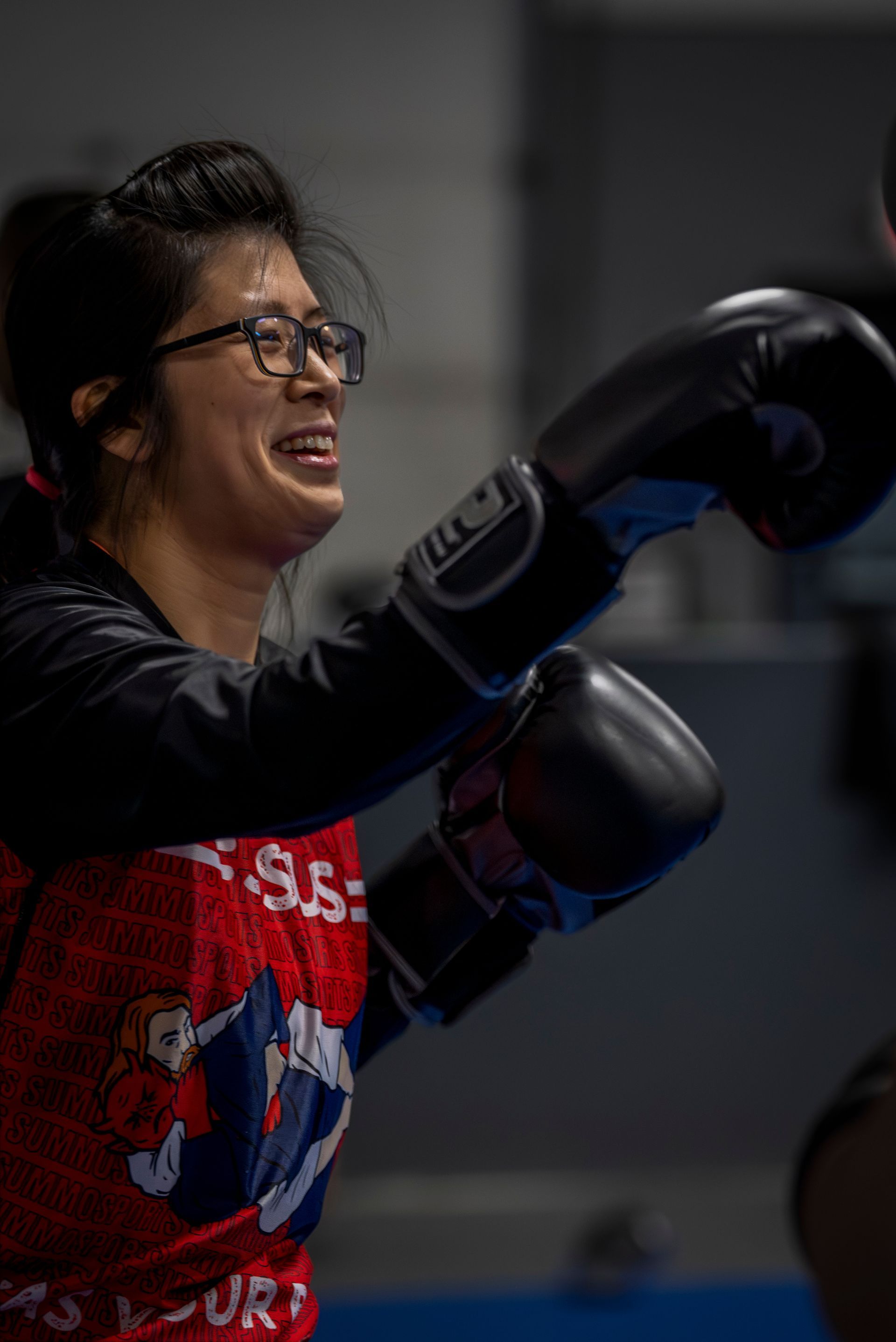
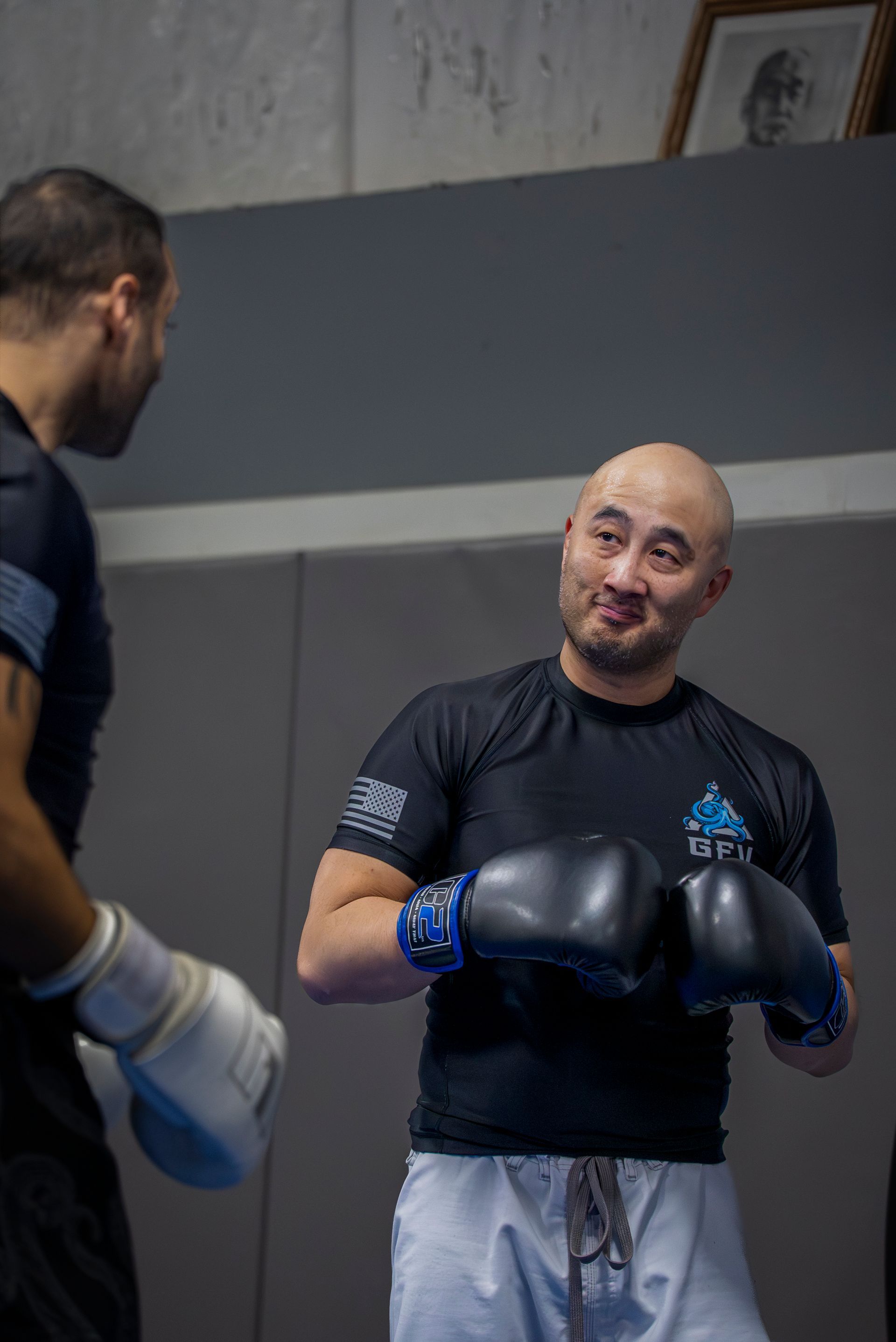
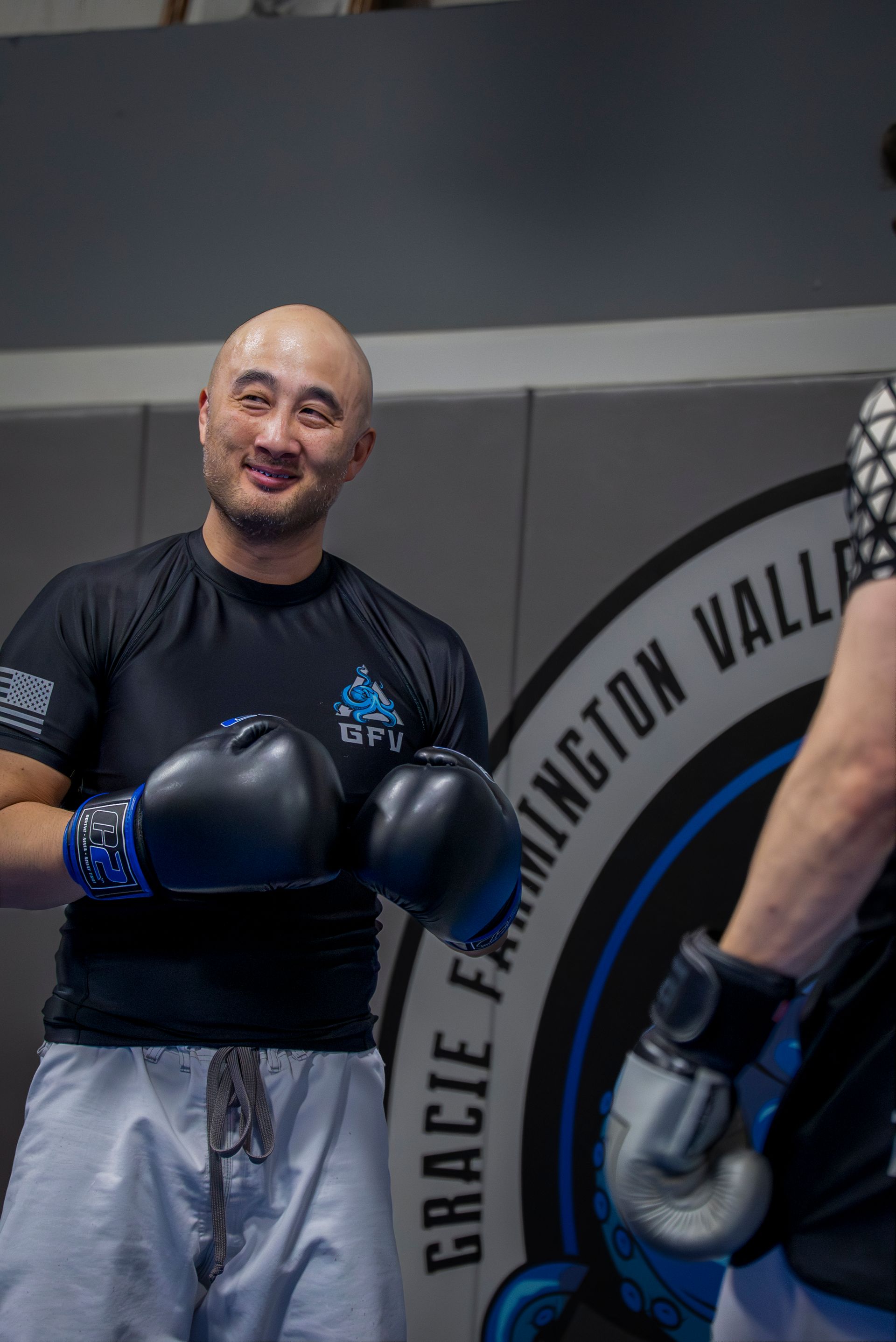
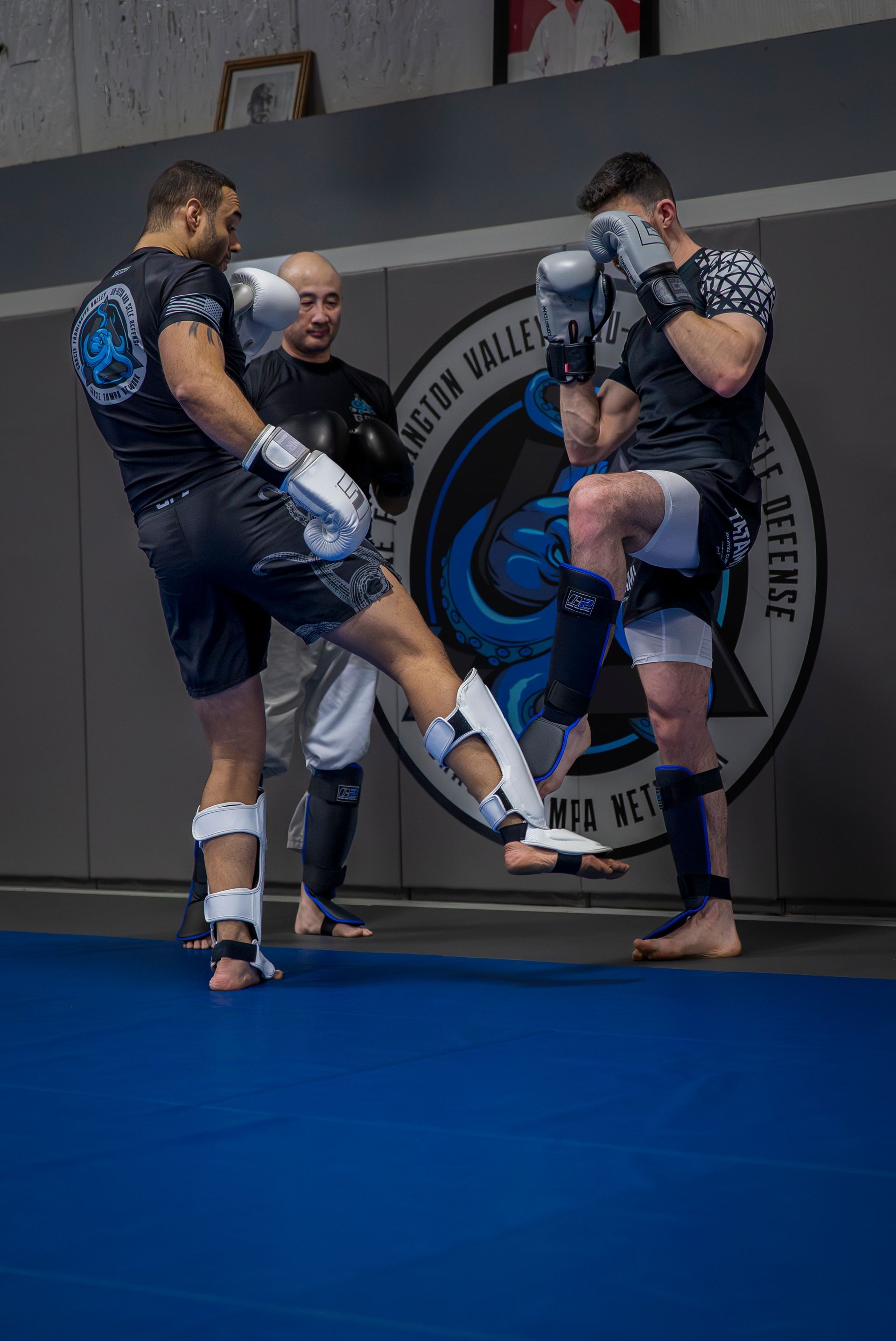
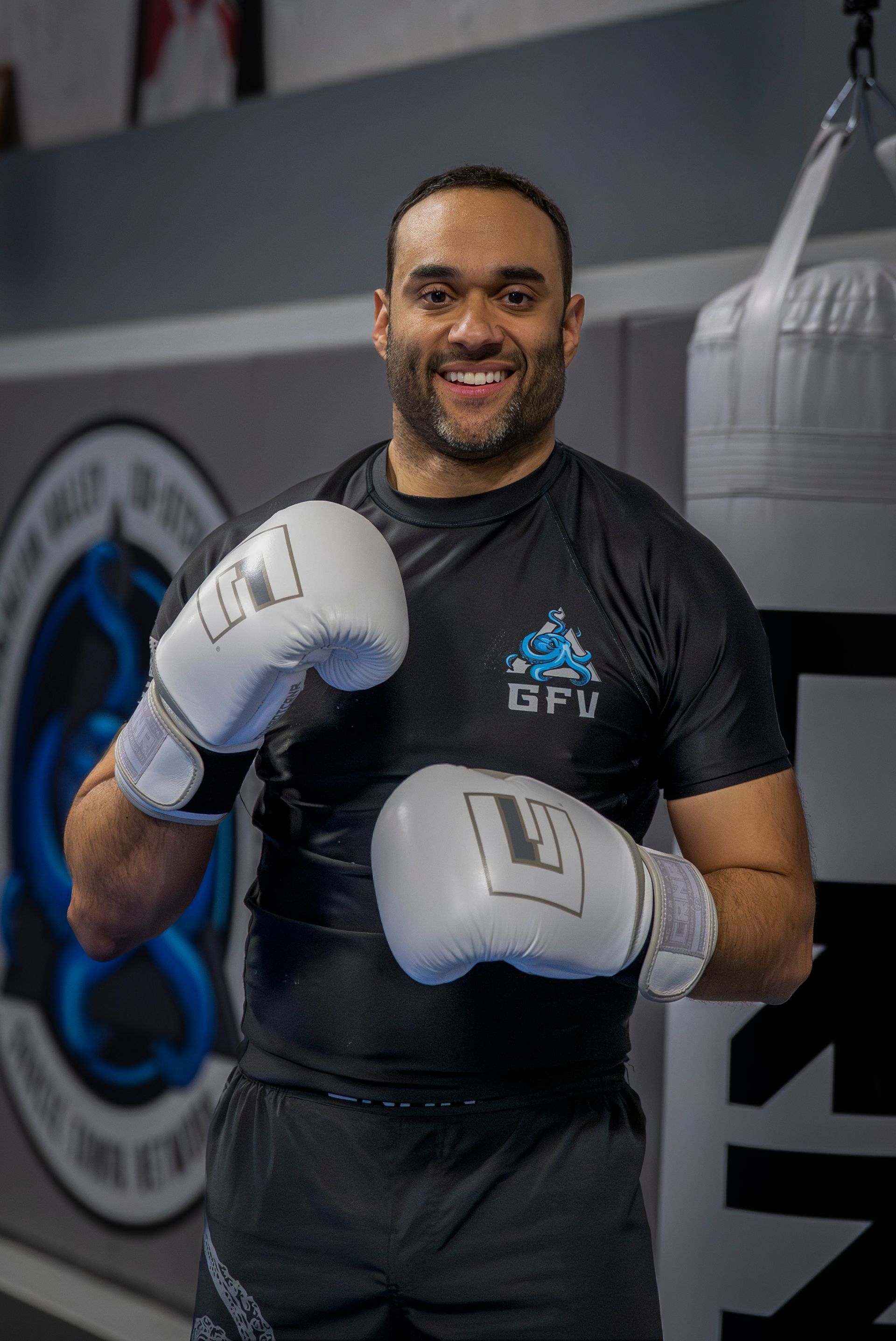
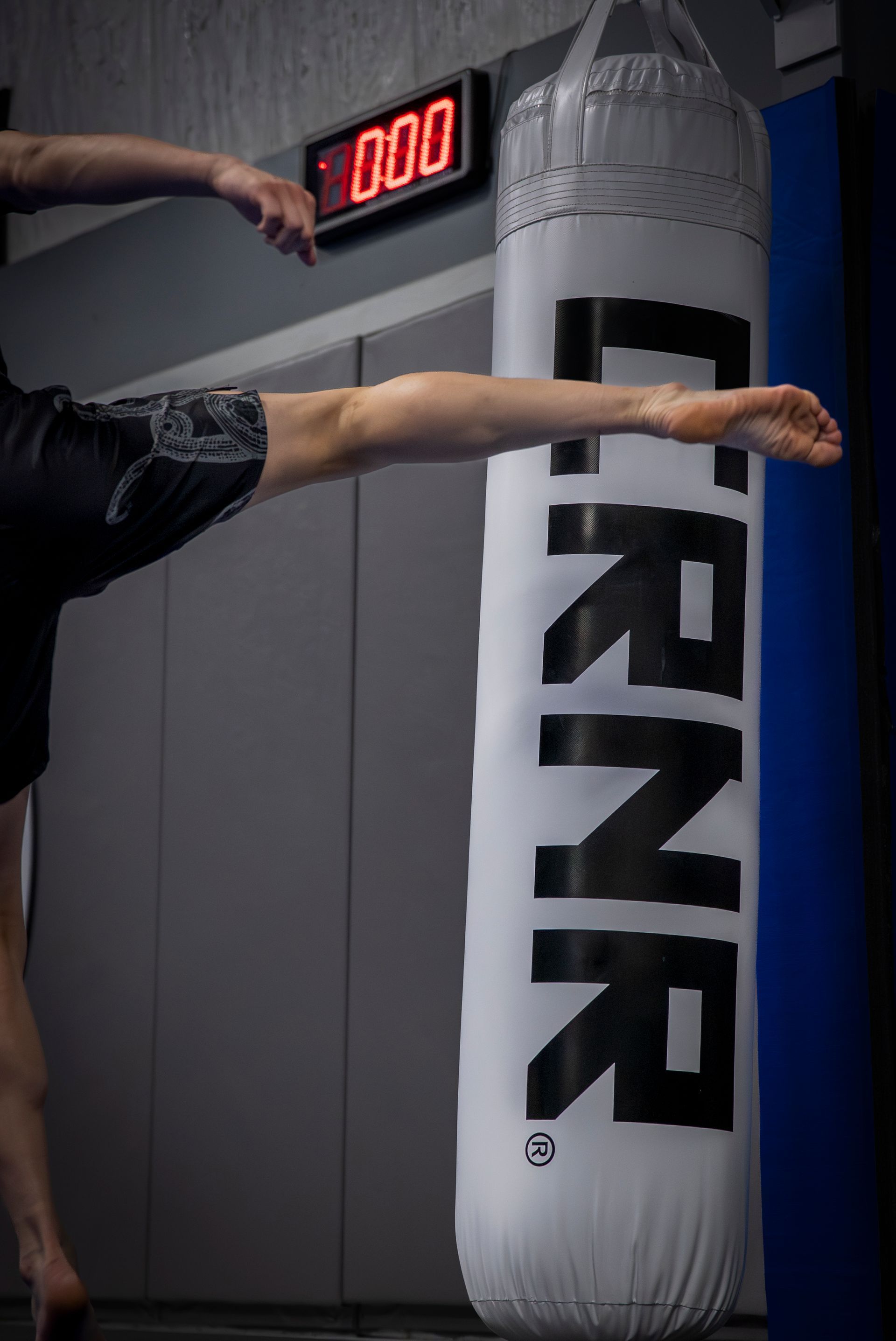
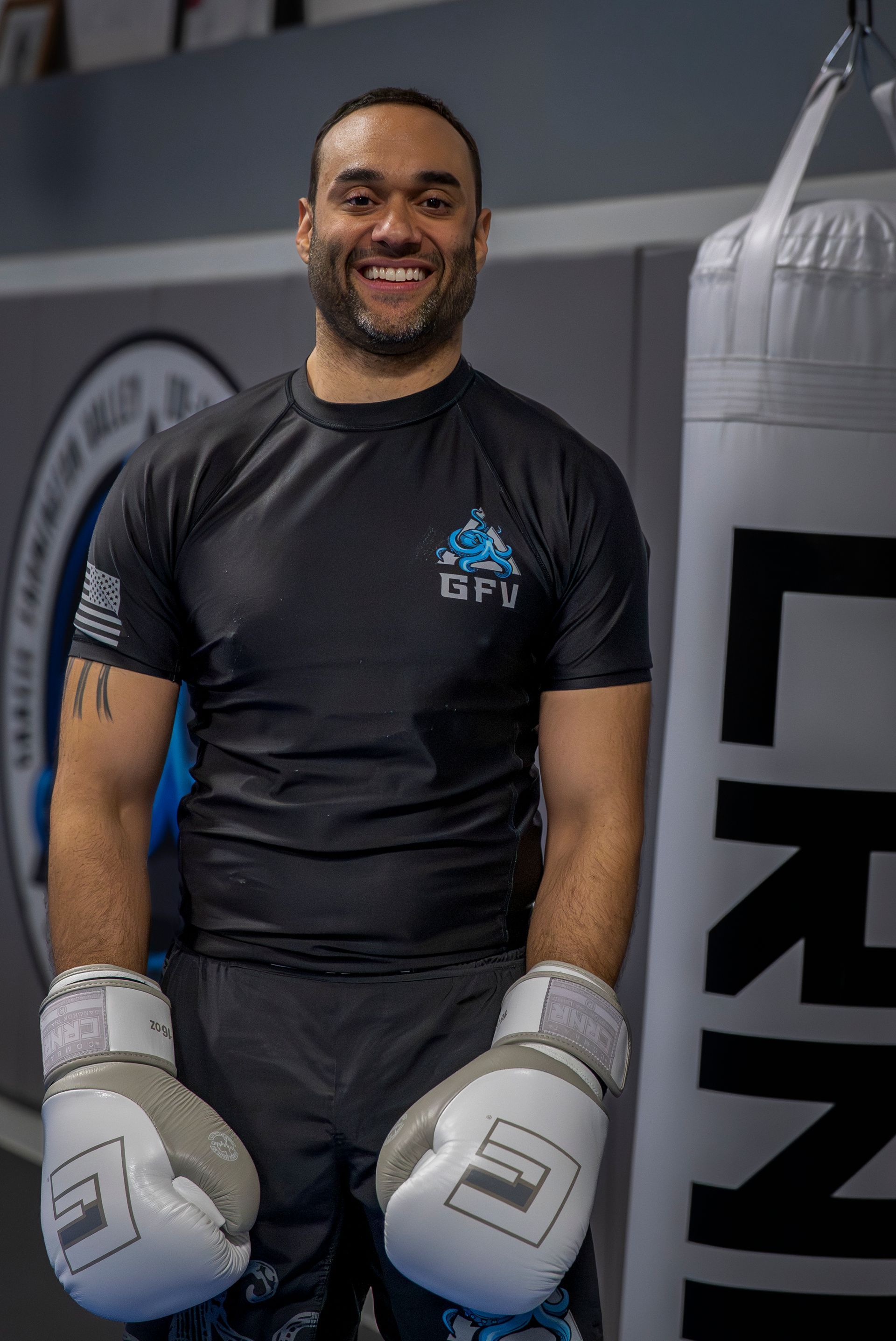
Jiu-Jitsu gives you a practical way to get stronger and calmer under pressure, one class at a time.
Starting something new as an adult is rarely convenient, and that is exactly why it works. When you step onto the mat for Jiu-Jitsu, you are choosing a skill that rewards consistency more than raw athleticism, and progress shows up faster than most people expect. We see it every week: beginners walk in unsure what to do with their hands, then a few classes later they are moving with purpose, breathing better, and thinking more clearly.
If you are looking for Jiu-Jitsu in Canton CT, you do not need a “fighter” background to begin. You need a safe room, a structured plan, and coaching that helps you learn without getting overwhelmed. Our job is to give you that path, then keep it practical so you can feel the benefits in your body and your day-to-day life.
This guide breaks down what beginners should expect, how training builds strength and resilience quickly, and how our class structure helps you develop focus without feeling like you are cramming for an exam.
Why Jiu-Jitsu works so well for beginners in Canton
Jiu-Jitsu is a problem-solving martial art. Instead of relying on size or speed, we use leverage, timing, posture, and positioning. That is good news if you are starting from scratch, because you can learn effective mechanics early and keep improving for a long time.
In a typical beginner class, we are not throwing you into chaos. We teach a small set of fundamental positions and actions, then we repeat them with purpose. Repetition is where confidence comes from, and confidence is what keeps you coming back when life gets busy.
A beginner-friendly training environment matters
The fastest way to quit is to feel lost, unsafe, or judged. We set expectations clearly, keep the pace coachable, and build skills progressively so you always know what you are working on and why it matters. You will train with partners, but you will not be left to “figure it out” on your own.
We also treat safety like a skill. Tapping early, moving with control, and learning how to train with different body types are part of the curriculum, not an afterthought.
Build strength fast without living in the weight room
People often assume you need to get in shape before starting. In reality, Jiu-Jitsu is a very efficient way to build usable strength while you learn. The work is full-body and honest: gripping, framing, bridging, posting, standing up, and maintaining posture under pressure.
You will feel it in places you might not expect, like your hands, mid-back, hips, and core. And because we rotate between technique and controlled practice, you get strength plus skill development in the same session.
The specific kinds of strength you develop on the mat
We focus on strength that helps you move well, stay balanced, and protect yourself:
• Positional strength, so you can hold good structure in guard, side control, or mount without “muscling” everything
• Core and hip strength, which shows up in bridges, guard retention, and technical stand-ups
• Grip and pulling strength from controlled clinch work, sleeve or collar grips in gi classes, and framing concepts
• Isometric endurance, because Jiu-Jitsu often asks you to hold posture while you solve a problem
• Coordinated strength, where multiple joints and muscle groups work together instead of in isolation
That last one is a big deal. You are not just getting tired, you are learning to be efficient, and efficiency feels like power.
Resilience: the skill you build when things get uncomfortable
Resilience is not just toughness. It is the ability to stay functional while you are tired, frustrated, or under pressure. Jiu-Jitsu trains that in a controlled way. You are placed in a challenging position, you practice a reliable escape, and you learn to keep thinking instead of panicking.
That is a transferable skill. Students tell us they notice it at work, in family stress, and even in traffic. The situation is different, but the internal response is similar: breathe, stabilize, solve the next piece.
How we develop resilience safely
We do not measure progress by how “hard” you can go. We measure progress by how well you can execute fundamentals with control. When we add resistance, we do it progressively. That means:
1. You learn the technique with step-by-step coaching
2. You drill it with a cooperative partner to lock in the movement
3. You add light resistance to test timing and decision-making
4. You increase intensity only when you can protect yourself and your partner
This is one of the reasons Adult Jiu-Jitsu in Canton CT can feel approachable even if you have never trained before. You are not proving anything. You are building something.
Focus comes from structure, not hype
Most adults do not need more motivation. You need a system that makes it easier to show up and easier to improve. Jiu-Jitsu has built-in feedback: if your posture is off, you feel it. If your timing is late, you feel it. And when you fix one small detail, the result is immediate, which is oddly satisfying.
We also coach focus explicitly. We remind you what to pay attention to: breathing, base, frames, and the next correct step. Over time, your mind gets used to staying present.
What “focus” looks like in a real beginner class
Focus is not staring intensely at your partner. It is simple, repeatable habits:
• You listen for one coaching point, then you try it immediately
• You reset after each rep instead of rushing to “win” the drill
• You practice tapping and restarting calmly, so your ego stays out of the way
• You learn to notice positions, not just motion, which improves decision-making
It is common for beginners to leave class feeling mentally quieter. Not because we turned your brain off, but because we gave it one job at a time.
What you will learn first (and why those basics matter)
We teach fundamentals first because fundamentals solve the most common problems. When you know how to maintain posture, create frames, and move your hips, you can survive, escape, and start attacking with intention.
Early training usually centers on core positions like guard, side control, mount, and back control. From there, we connect simple objectives: get safe, improve position, then apply a submission only when the structure is right.
Beginner milestones you can actually track
Progress can feel fuzzy if you do not know what to look for. We like clear markers, such as:
• You can perform a technical stand-up smoothly on both sides
• You can escape a pin with correct framing and hip movement
• You can hold posture in someone’s guard without overreacting
• You can explain the difference between controlling a position and chasing a move
• You can roll lightly and stay composed, even when you get stuck
Those are real wins. And yes, they tend to show up faster than you think if you train consistently.
A typical path for Canton beginners: what the first month can feel like
Week one is mostly orientation. You learn how class works, how to move safely on the mat, and what tapping means. You may feel clumsy, which is normal, and you may leave thinking, “My body did not know it could do that.” That is a good sign.
By weeks two and three, patterns start forming. You recognize positions. You remember a few key details. You start to feel less rushed. In week four, many students notice their conditioning improving, and their confidence starts looking more like calmness than excitement.
If you can train two to three times per week, you give yourself enough repetition to improve quickly without beating yourself up. More is not always better at the beginning. Better is better.
Membership options and training frequency: choosing a plan you can maintain
The best membership is the one you will actually use. We keep our options straightforward and will help you pick a training rhythm that matches your schedule and recovery. Some students want a steady two days a week. Others like more frequent training and treat it like their primary fitness routine.
If you are new, we usually recommend starting with consistency over intensity. Build the habit, learn the fundamentals, and let your body adapt. Once your joints, grips, and cardio catch up, you can add days if you want.
We also encourage you to use the class schedule page as a planning tool. When training is already on your calendar, it is easier to protect it.
How we keep training safe, clean, and beginner-friendly
Safety is not just about avoiding injuries. It is about creating an environment where you can learn without anxiety. We coach controlled movement, we match partners thoughtfully, and we prioritize respectful training behavior.
Cleanliness matters too. Mats are a shared surface, and we treat them that way. We maintain hygiene expectations, and we teach etiquette so everyone can train comfortably, whether it is your first day or your hundredth.
What to bring to your first class
You do not need a closet full of gear. Start simple:
• Comfortable athletic clothing that allows movement
• A water bottle and a small towel
• Basic personal hygiene items, especially trimmed nails
• An open mind and a willingness to ask questions
• A little patience with yourself, because learning is messy at first
If you are unsure what is appropriate for your first session, we will guide you before you step onto the mat.
Jiu-Jitsu in Canton CT for adults with real lives
Most of our adult students juggle work, family, and everything else that fills a Connecticut week. Training has to fit into that reality. We design our instruction to be efficient: clear techniques, purposeful drilling, and coaching that respects your time.
Adult Jiu-Jitsu in Canton CT is also a social benefit, even if you are not “looking to make friends.” Training creates a kind of community that is built on mutual effort. You learn each other’s names, you help each other improve, and you end up with people who want you to succeed. That part tends to sneak up on you.
Ready to Begin
Building strength, resilience, and focus is not a mystery, but it does require a method you can stick with. Our classes give you a clear structure, coaching that meets you where you are, and training that stays practical from day one, so your progress is obvious in how you move and how you handle pressure.
If you want a supportive place to learn Jiu-Jitsu in Canton CT, we have built our beginner pathway to be approachable and challenging in the right ways. You can start where you are and grow from there at
Gracie Jiu-Jitsu Farmington Valley.
Take your first step onto the mats and
begin training at Gracie Farmington Valley today.