Cardio kickboxing works best when you treat it like a skill you build, not a test you pass.
Cardio Kickboxing is one of the simplest ways to get a full-body workout that feels fast, varied, and surprisingly satisfying, even if you show up a little nervous. You do not need to be coordinated. You do not need a “fighter’s” background. You just need a plan for how to start, how to pace yourself, and how to keep your form clean when your heart rate climbs.
In our Canton community, we meet plenty of beginners who want conditioning that carries over into real life: climbing stairs without getting winded, feeling stronger in day-to-day movement, and building confidence in what your body can do. Cardio Kickboxing can absolutely deliver that, especially when you focus on technique first and intensity second.
Below, we are going to share the beginner tips we teach every week: how to warm up, how to move safely, how to choose the right intensity, and how to structure your week so you keep improving without burning out.
What Cardio Kickboxing Is (And What It Is Not)
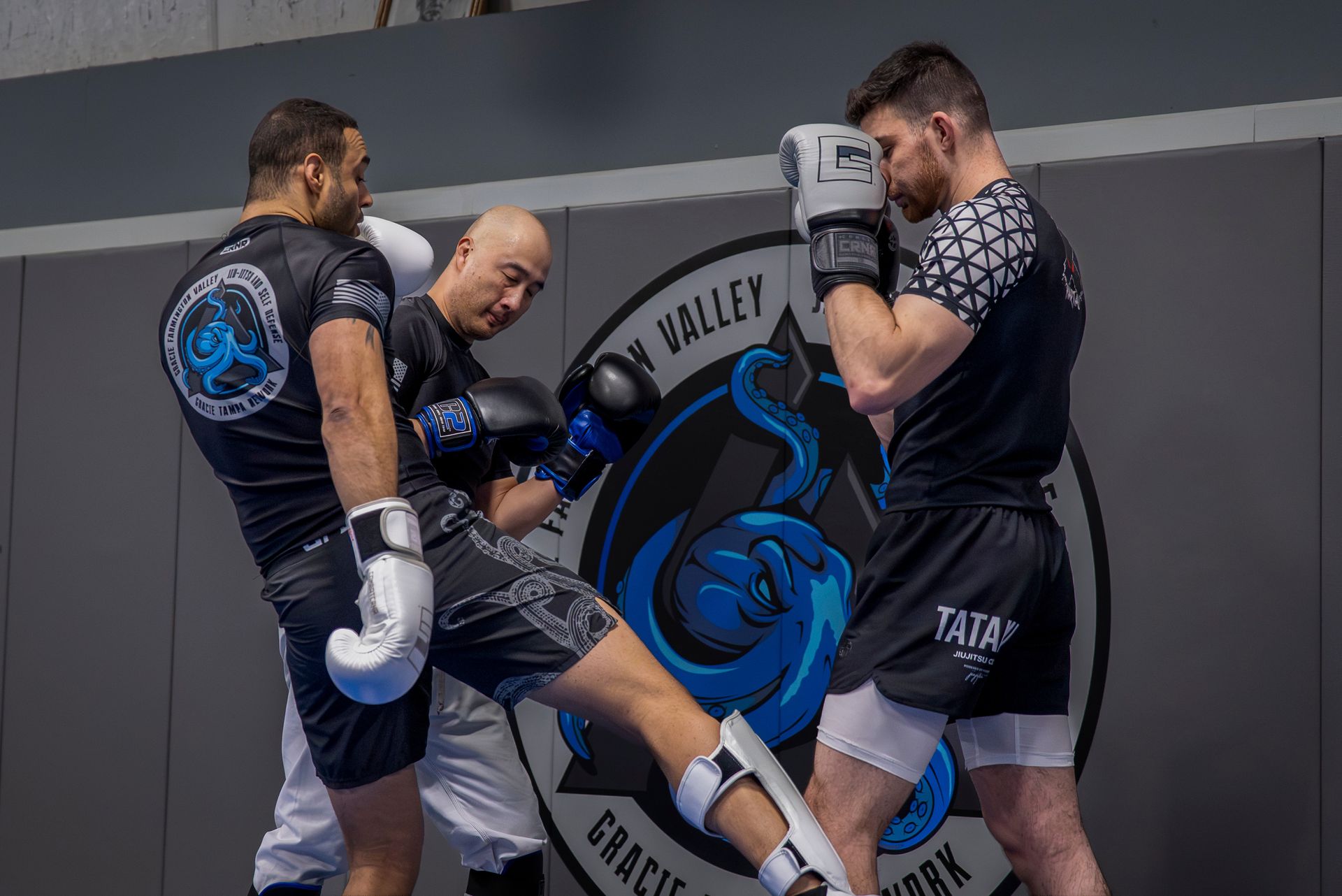
Cardio Kickboxing is a no-contact fitness format built around punches, kicks, footwork, and interval-style conditioning. You will sweat, you will breathe hard, and you will learn real striking mechanics, but you are not sparring. That distinction matters because it changes the goal: we are training your engine, your coordination, and your movement quality, not trying to “win” anything.
No-contact does not mean no technique
A common beginner mistake is treating the workout like random flailing until the music ends. You will get tired, sure, but you will not get the full benefit. Clean technique is what makes Cardio Kickboxing feel powerful instead of chaotic, and it is also what protects your wrists, shoulders, knees, and lower back.
How it differs from sport kickboxing
Sport kickboxing and Muay Thai training can include pad work, partner drills, and sparring progression. Cardio Kickboxing keeps the emphasis on conditioning, combinations, and repeatable movement patterns you can do week after week. If you are here for fitness, stress relief, and a skill-based workout that still feels approachable, this format is a great entry point.
Your First Goal: Move Well at a Sustainable Pace
If we could give you one beginner mantra, it would be this: smooth is fast later. In the beginning, speed feels tempting. So does height on kicks. But the fastest way to improve is to stay in control and build consistency.
Start with “low and controlled” kicks
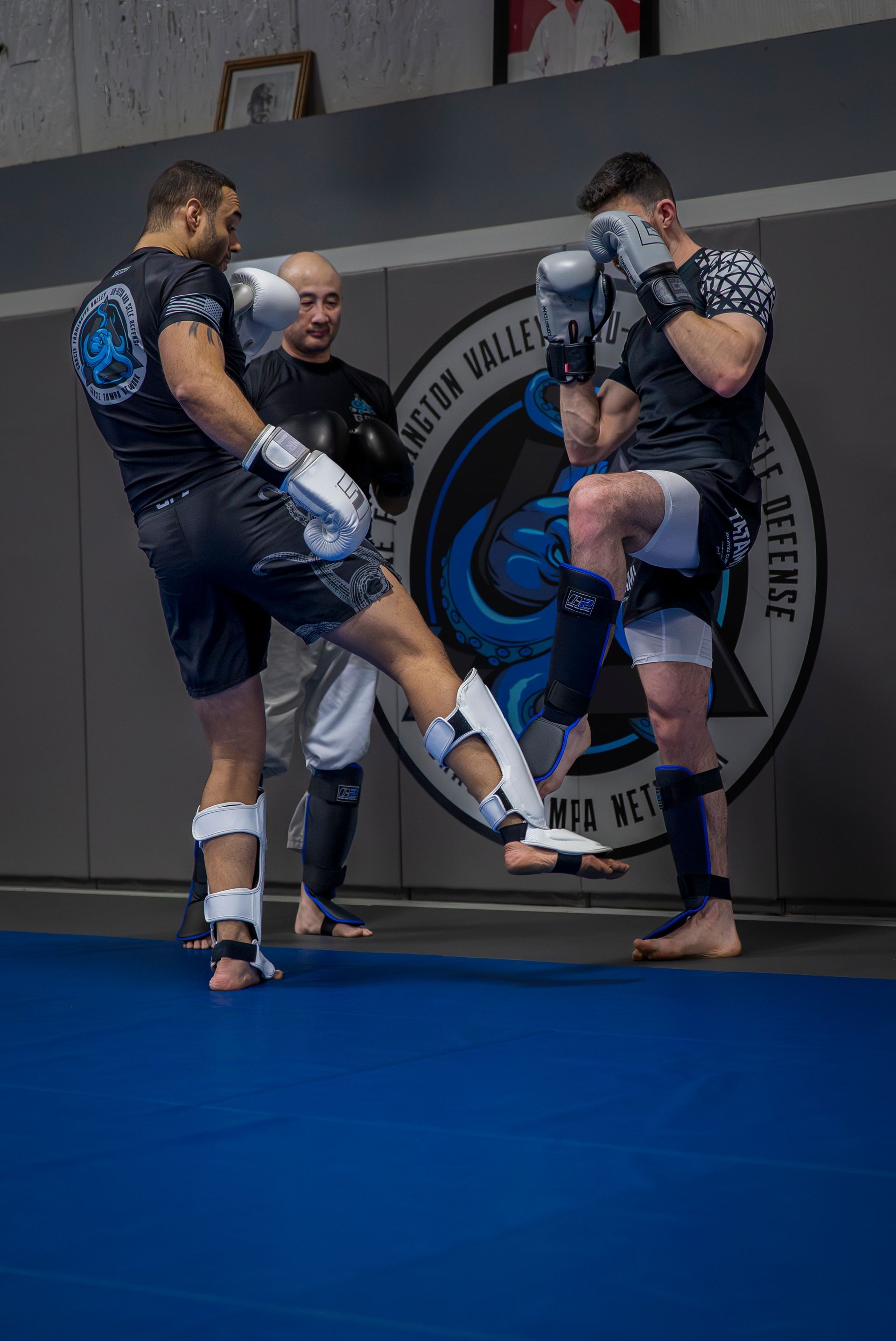
Keep your kicks low at first, even if you are flexible. Low kicks let you practice balance, hip rotation, and retraction (bringing the leg back under you) without yanking your knee or twisting your back. Height can come later. Control should come first.
Do not lock your joints
When you punch, keep a slight bend at the elbow at extension. When you kick, do not snap the knee into a hard lock. Joint locks are where little aches start to show up, especially when you are fatigued and repeating reps.
Stay light on the balls of your feet
This cue fixes a lot: it keeps you mobile, helps you pivot, and makes your footwork feel less “stuck.” You do not need to bounce dramatically. Just avoid planting your heels like you are glued to the floor.
Cardio Kickboxing Technique Tips That Make a Huge Difference
Good form is not about looking perfect. It is about getting more work from each rep while staying safer. Here are the cues we come back to with beginners again and again.
Punch mechanics: power comes from the ground up
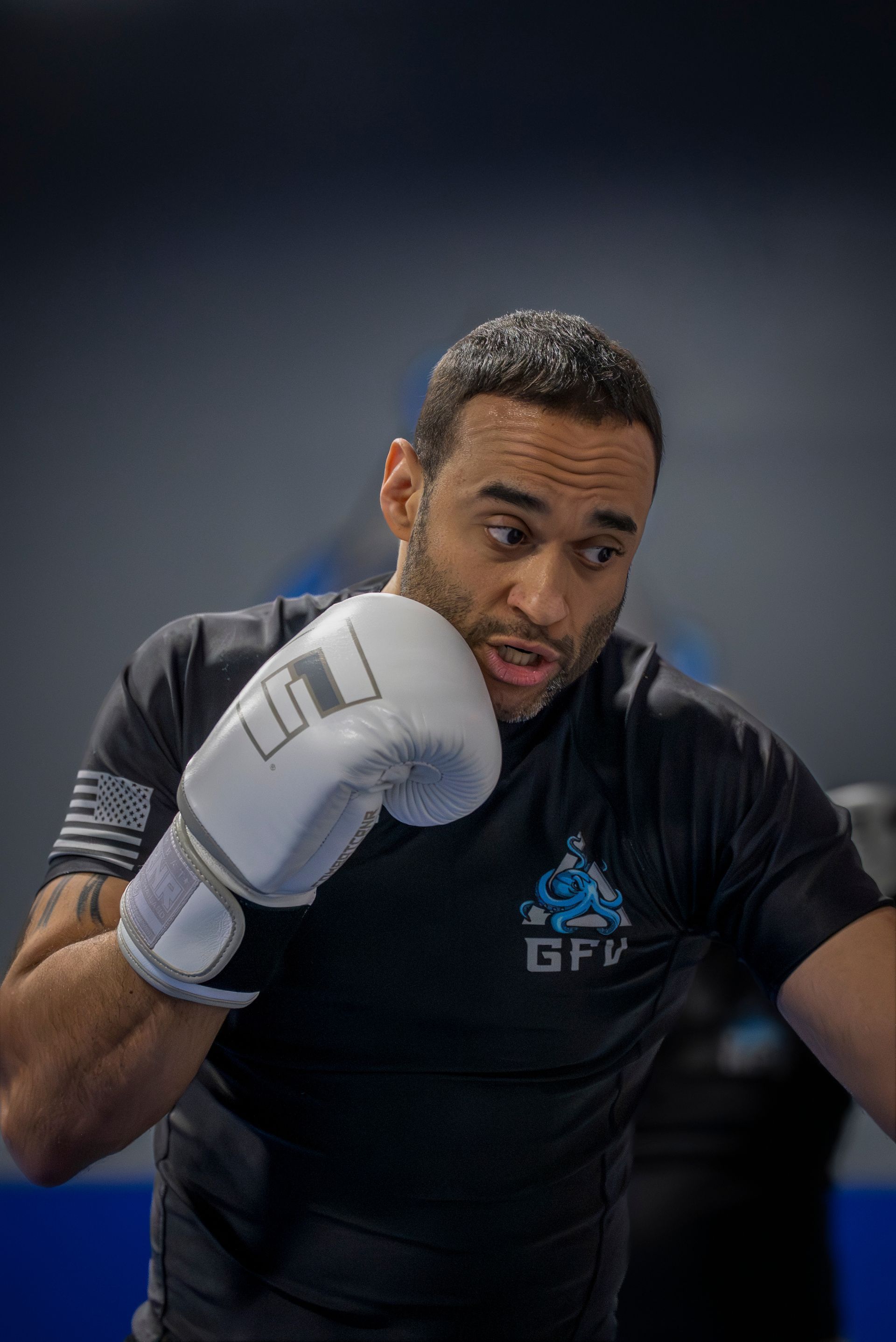
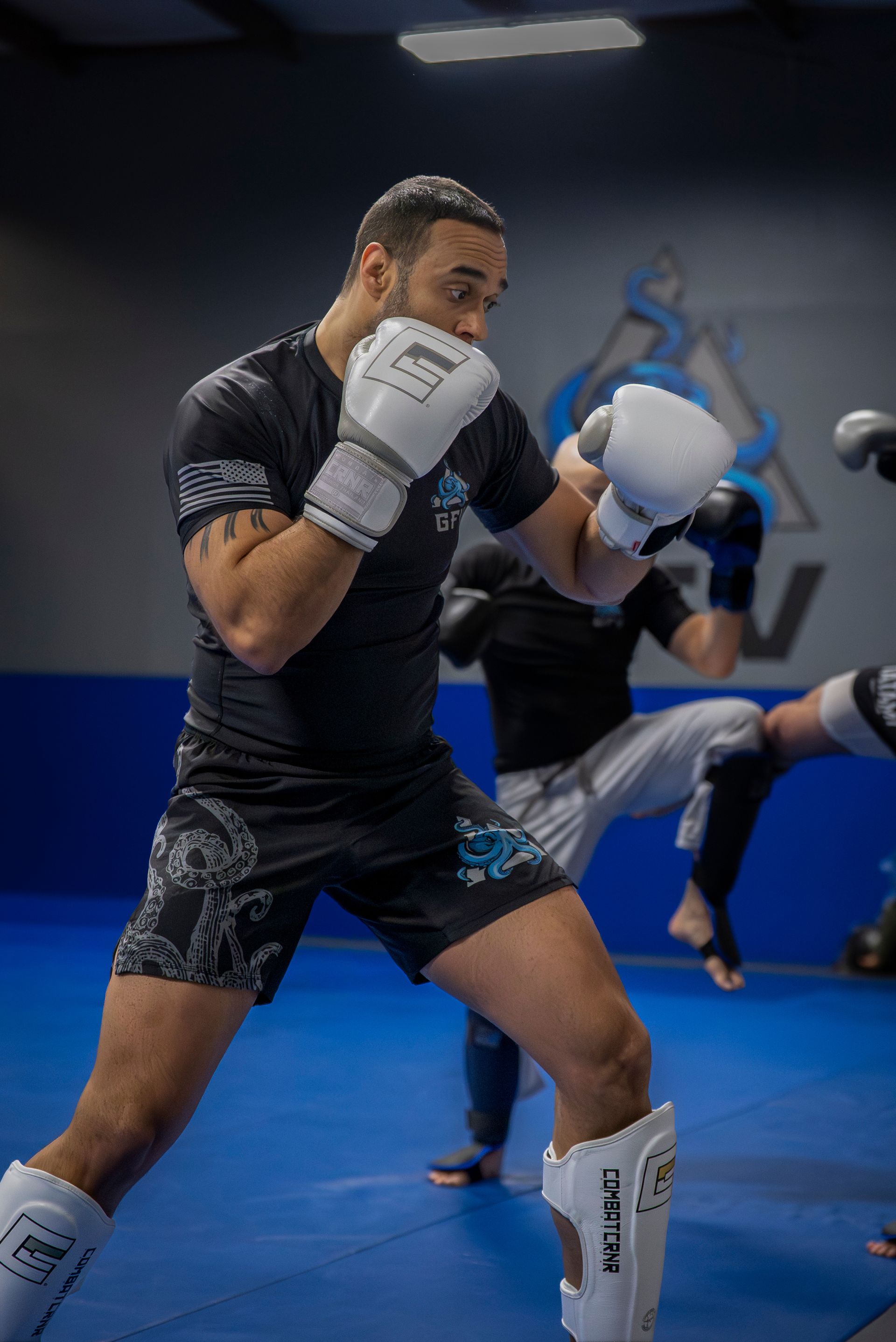
Your fists are the end of the chain, not the start. Drive lightly from your feet, rotate your hips and torso, and let the punch “ride” that rotation. Two quick checkpoints help immediately:
- Keep your wrist straight and aligned with your forearm
- Bring your hands back to guard after every punch, even when you get tired
Kick mechanics: think hips, not toes
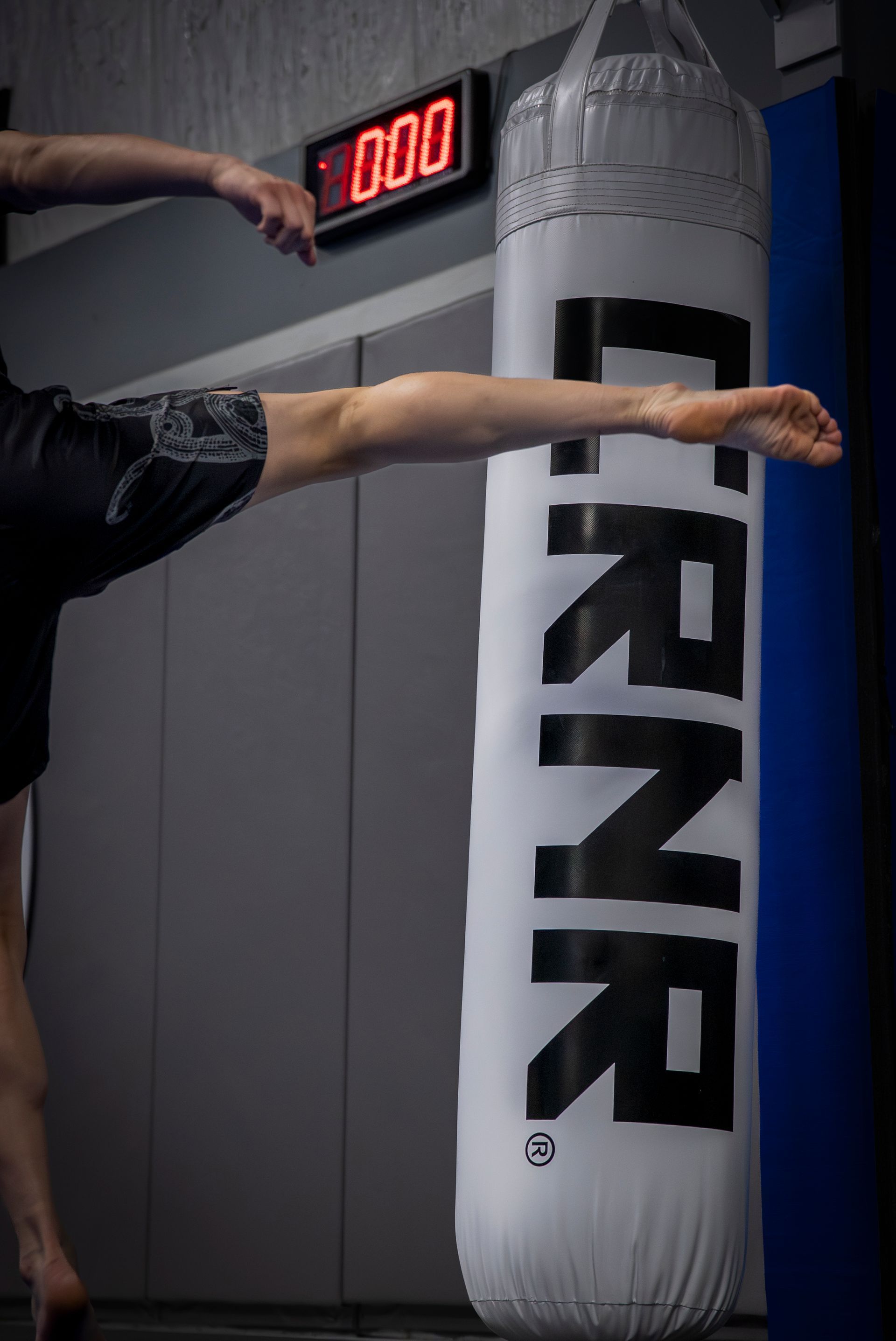
A beginner often tries to kick using the lower leg only. Instead, let your hips turn, keep your posture tall, and retract the kick with control. You should feel your core working, not just your quad burning.
Breathing: exhale on strikes
Holding your breath makes everything harder. A short exhale on punches and kicks helps you stay relaxed and makes your combinations feel smoother. You do not have to make noise. Just breathe on purpose.
Warm-Up and Cooldown: Where Beginners Win the Long Game
Cardio Kickboxing asks a lot from your shoulders, hips, calves, and core. A good warm-up is not optional, especially in New England where your body might feel stiff when you first walk in.
A warm-up that actually prepares you
We like to see a warm-up include joint circles, light footwork, and gradually building intensity, not jumping straight into hard combinations. Your first few minutes should feel almost too easy. That is the point.
Do not skip the cooldown because you “feel fine”
Cooldown work keeps you training next week. A short walk, gentle stretching for hips and calves, and easy shoulder mobility can reduce that tight, creaky feeling the next morning.
A Beginner’s First Class Checklist (So You Can Relax and Focus)
You do not need fancy gear to start Cardio Kickboxing, but the right basics make a big difference in comfort and safety.
• Lightweight athletic shoes that allow pivots and lateral movement without feeling clunky
• Comfortable workout clothes that let your hips and shoulders move freely
• Water, and more than you think you need if you are new to intervals
• A small towel, because you will sweat (even in winter)
• A mindset of learning: plan to go at 70 percent and leave some gas in the tank
If you are worried about coordination, that is normal. Most people feel a little “all arms and legs” at first. The combinations click faster than you expect once you stop trying to be perfect.
How Often Should You Do Cardio Kickboxing Each Week?
Consistency beats occasional intensity. For most beginners, one to three sessions per week is the sweet spot. That gives you enough exposure to build skill and conditioning without overloading your joints or motivation.
A simple weekly progression we like
If you want a practical framework, here is one that works for many beginners:
1. Weeks 1-2: 1 class per week, focus on stance, guard, and smooth combinations
2. Weeks 3-6: 2 classes per week, add intensity in short bursts, keep kicks controlled
3. Weeks 7-10: 2-3 classes per week, add footwork complexity and longer intervals
4. Ongoing: rotate harder and easier days so your body recovers and adapts
You can always adjust based on sleep, stress, and how your knees and shoulders feel. Listening to your body is not quitting. It is smart training.
Safety Tips for Knees, Shoulders, and Back
Cardio Kickboxing should feel challenging, not punishing. If you have a history of aches, we can still train around that with good mechanics and smart modifications.
Knee-friendly adjustments
Shorten your stance a little and keep your pivots clean. Many knee issues come from twisting a planted foot. When you turn, turn your foot with your hips. Also, do not chase high roundhouse kicks early on. Low, controlled kicks are your friend.
Shoulder and wrist protection
Avoid punching with hand weights. That extra load can pull your shoulder forward and strain the wrist when fatigue hits. Focus on alignment, core rotation, and snapping the hands back to guard.
Back-friendly movement
Keep your ribs stacked over your hips and avoid leaning back on kicks. If your lower back feels tight, reduce kick height and emphasize balance and retraction. A clean, compact kick beats an uncontrolled big one every time.
How Cardio Kickboxing Fits With Jiu-Jitsu Conditioning
A lot of people in our community train grappling and want conditioning that supports it. Cardio Kickboxing can complement Jiu-Jitsu in Farmington Valley style training goals because it builds footwork, rhythm, core rotation, and the ability to recover between hard bursts.
What carries over well
Even though striking and grappling are different, a few athletic qualities transfer nicely:
- Better balance and posture under fatigue
- Improved hip mobility and core control
- Faster feet for angles, spacing, and movement confidence
- A stronger “gas tank” for rounds, scrambling, and steady pressure
If you are already doing Jiu-Jitsu in Farmington Valley, adding one or two Cardio Kickboxing sessions can be a practical way to boost conditioning without adding more hard rolling every week.
Getting More Out of Every Round: Intensity Without Sloppiness
Intervals are where beginners either level up or fall apart. The goal is to keep your technique recognizable even when you are breathing hard.
Use a simple intensity scale
Think of effort on a 1-10 scale. Most of your workout should live around a 6 or 7. Short bursts can go to an 8 or 9, but only if your form stays intact. If your shoulders creep up, your wrists bend, or you lose balance, bring it back down.
Pick one focus per class
Trying to fix everything at once can feel overwhelming. Choose one:
- Keep your guard up
- Pivot on every hook and round kick
- Exhale on every strike
- Stay light on the feet
That single focus makes your practice feel purposeful, and progress becomes easier to notice.
Track progress the right way
Instead of obsessing over calories, watch for real markers: you recover faster between rounds, your combinations feel smoother, and you can keep good posture late in class. Those are the wins that last.
Ready to Begin
If you want Cardio Kickboxing in Farmington Valley to feel approachable and skill-based, the best move is to start with fundamentals and build from there. You will get sweaty, yes, but you will also learn how to punch and kick with better mechanics, how to pace intervals, and how to train in a way that keeps your body feeling good.
We coach that kind of progressive, technique-first training every day at
Gracie Jiu-Jitsu Farmington Valley, and we love helping beginners in Canton take the first step with a plan that makes sense and a pace that feels doable.
Train with purpose and make steady progress through expert-led
Jiu-Jitsu classes at Gracie Jiu-Jitsu Farmington Valley.