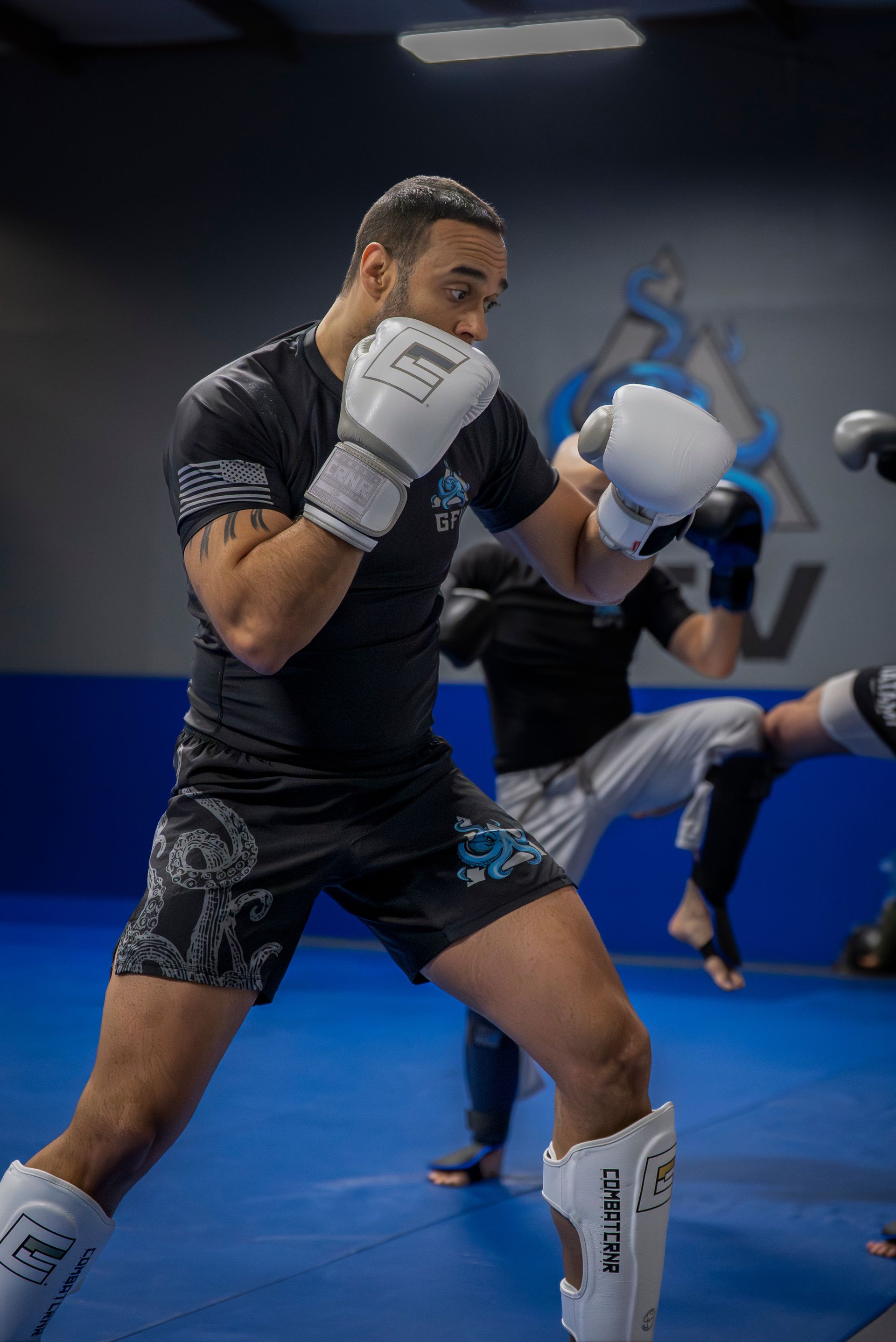
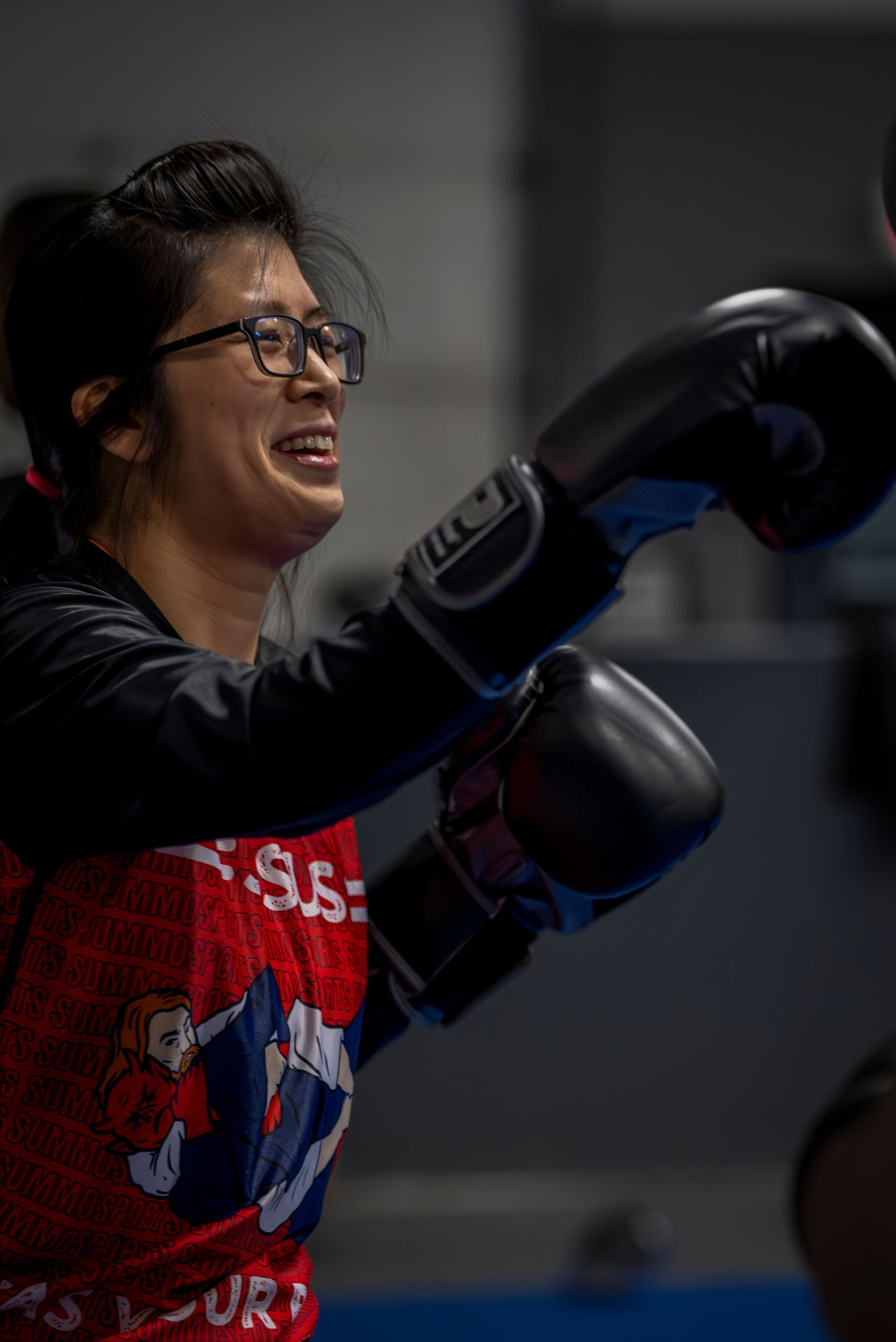
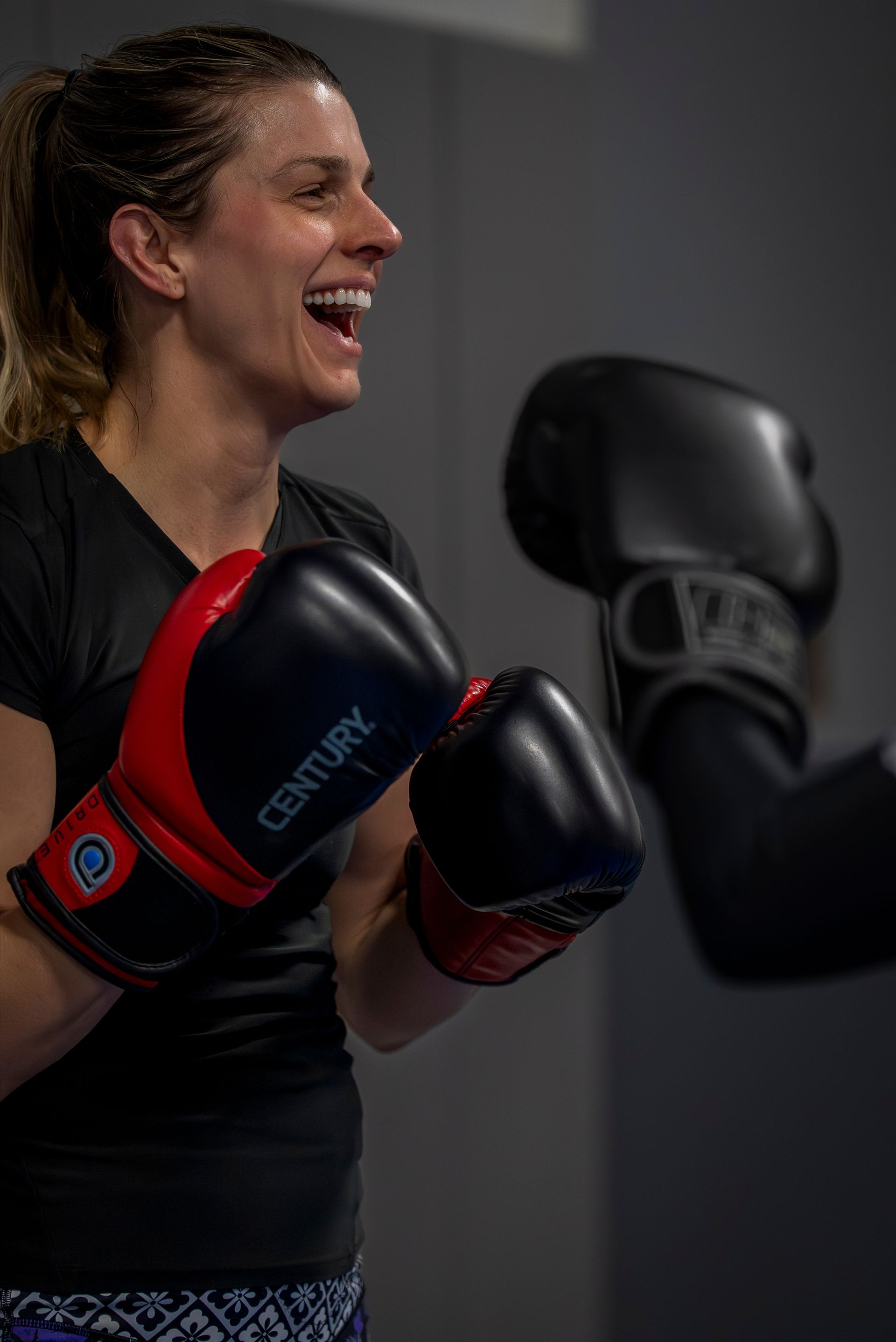
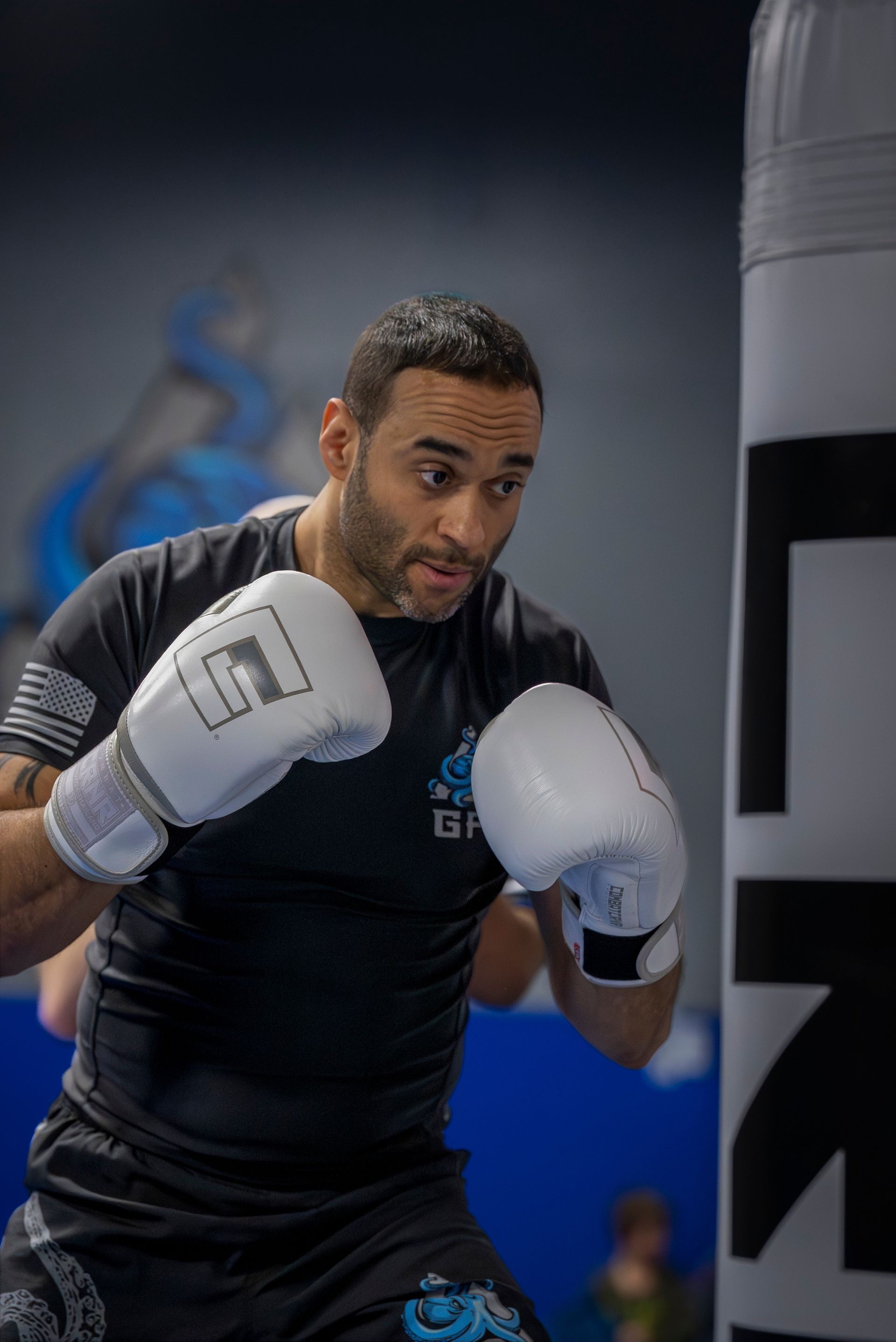
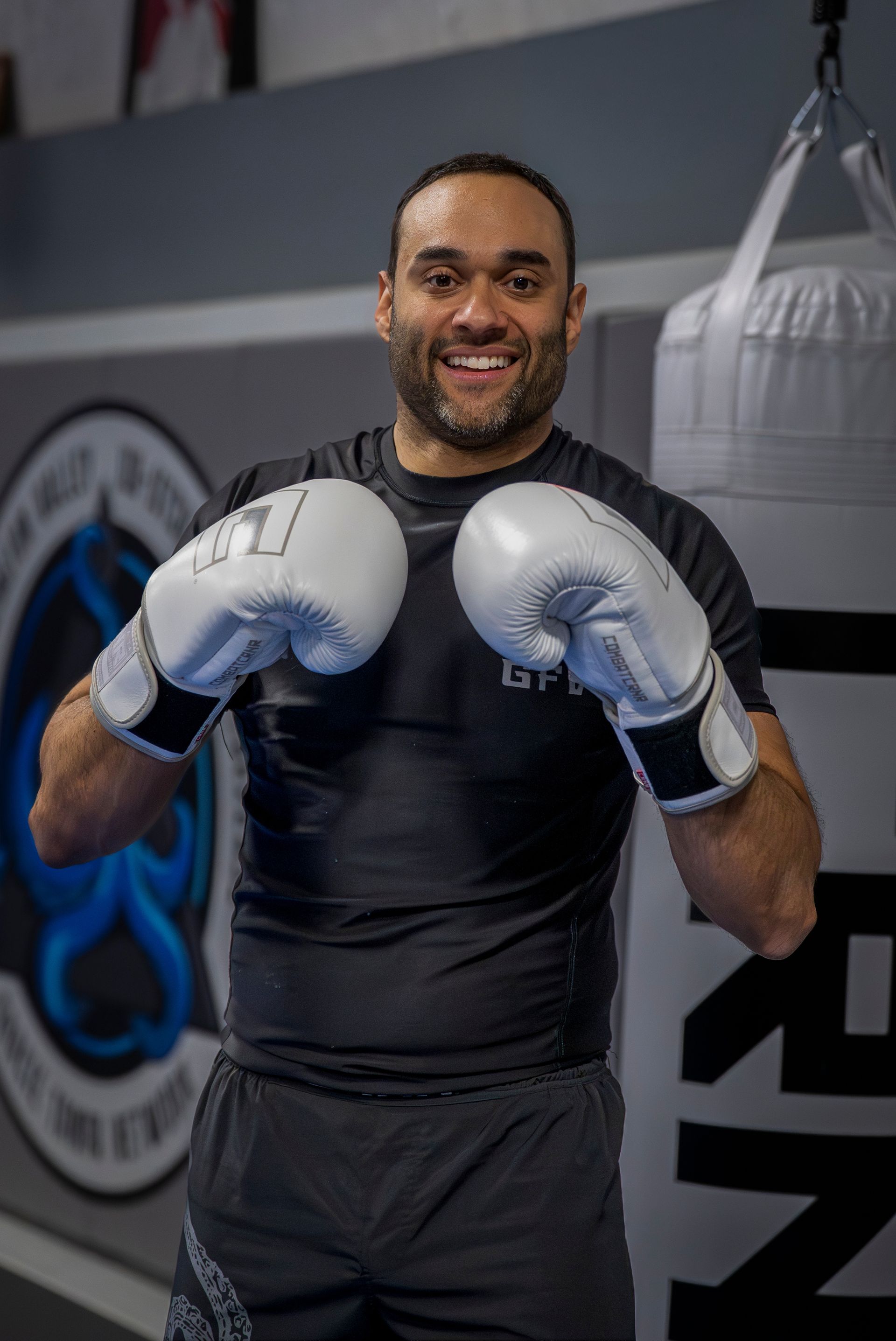
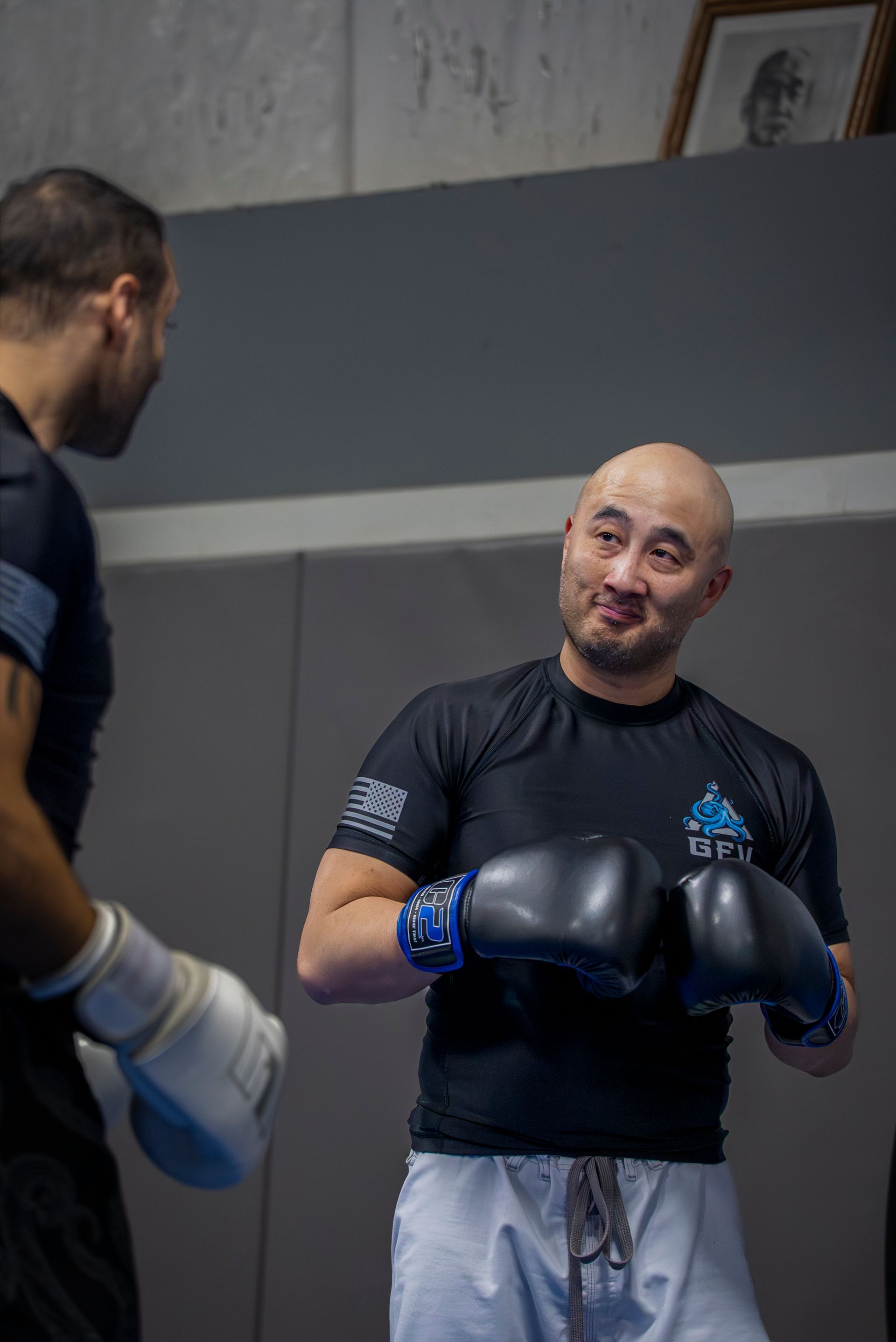
You can build real conditioning through skill, movement, and controlled intensity instead of staring at a console and counting minutes.
If treadmill cardio has never clicked for you, you are not alone. A lot of adults want better endurance, lower stress, and a healthier routine, but running in place can feel like punishment, not progress. Adult Jiu-Jitsu gives you a different path: you build cardio while learning how to move, breathe, and solve problems under pressure.
In our Adult Jiu-Jitsu classes, your heart rate climbs in waves. You drill a technique, reset, drill again, then add resistance, then do a short round where you have to apply it with a partner who is actively trying to stop you. That rise and fall matters because it mirrors how many adults actually move in real life: bursts of effort, short recoveries, then another push.
Just as importantly, you do not need to arrive “in shape” to start. Our goal is consistency, not exhaustion. We build your conditioning the same way we build your skill: step by step, with structure, coaching, and enough challenge to keep you improving.
What “cardio” looks like in Adult Jiu-Jitsu
Cardio is not only long, steady jogging. In Adult Jiu-Jitsu, conditioning often looks like intermittent cardiovascular work, closer to interval training than steady-state running. You alternate between moderate movement, high-effort scrambles, and controlled recovery. Over time, your body adapts by getting more efficient at delivering oxygen, clearing fatigue, and staying calm under load.
That matters because most people do not quit exercise because it is “not effective.” We quit because it is boring, uncomfortable, or disconnected from any meaningful goal. Jiu-Jitsu gives you a reason to keep showing up: you can feel your progress in technique, timing, and composure. The conditioning becomes a byproduct of learning, not the only point of the workout.
We also like that large muscle groups stay involved. Even a basic class asks a lot from your hips, legs, core, back, and shoulders. You bridge, you shrimp, you frame, you stand up, you pummel for position, you grip, you post, and you keep moving. That full-body demand is a big reason Adult Jiu-Jitsu can feel like cardio and strength training happening at the same time.
How a class raises your heart rate without a treadmill
A treadmill is predictable: you choose a pace, you hold it, you finish. Jiu-Jitsu is different. The “engine work” is built into the class structure, and it ramps up naturally as we move from learning to doing.
Warm-up movements that don’t feel like busywork
Our warm-ups typically use Jiu-Jitsu-specific movements that prepare your joints and wake up the right muscles. You will see hip escapes, bridges, technical stand-ups, and mobility patterns that match what you will use later in class. Even when it is not “hard,” it is productive, and it gets your breathing going early.
Technical drilling that creates real training volume
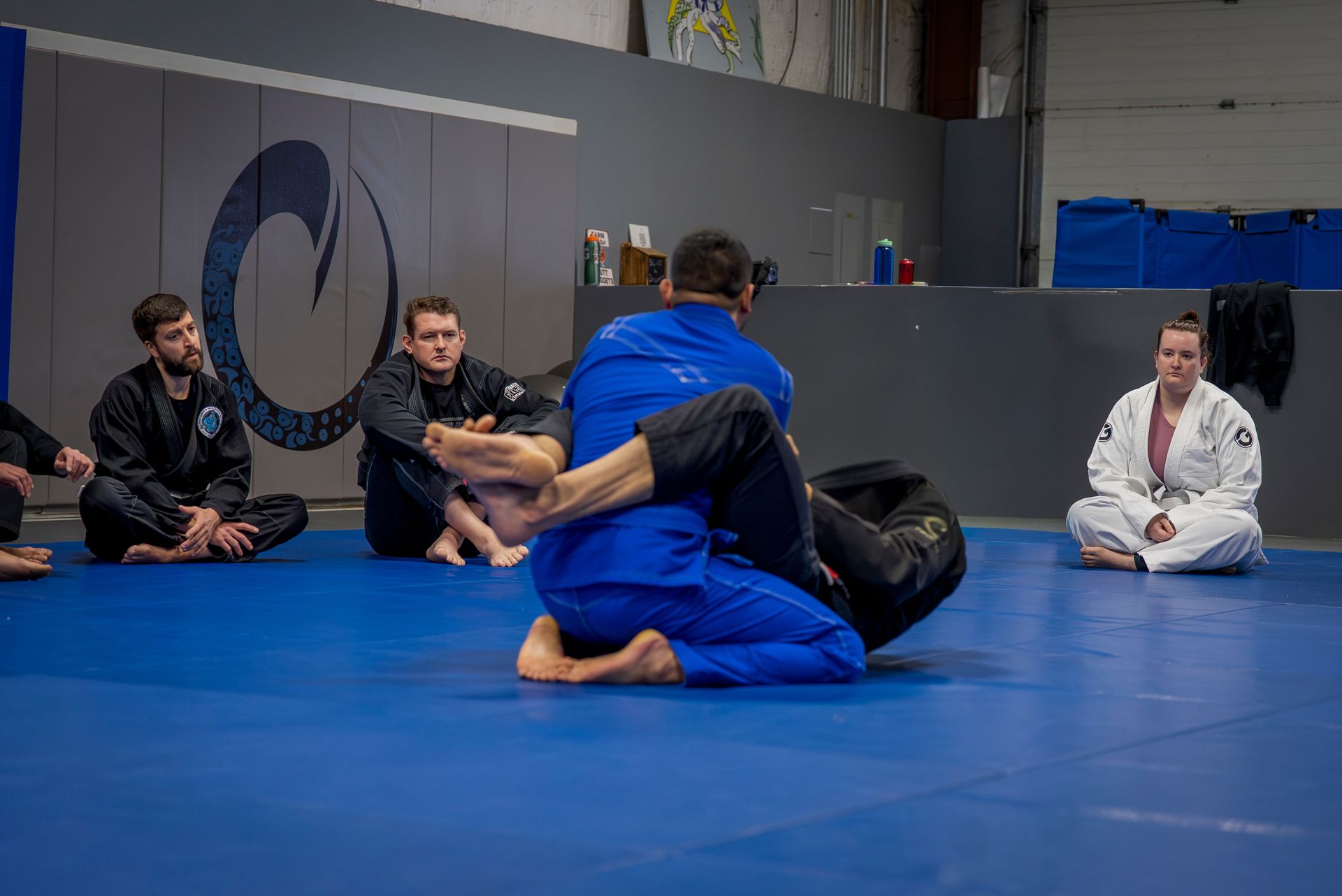
Drilling is where a lot of adults quietly build cardio. Repetition adds up. You practice a technique again and again, and the movement becomes smoother and less tense. That reduced tension is not just “nice,” it is conditioning. When you stop muscling everything, you can work longer with less fatigue.
Resistance-based practice that forces adaptation
Once you add a resisting partner, your body has to produce force in awkward angles: pushing, pulling, bracing, and changing levels. This is where many people realize they are “tired in a new way.” It is not the same burn as a long run. It is bursts of effort while you keep thinking, which is a skill on its own.
Positional rounds and live rolling
Positional sparring and rolling create clear intervals. You work for a set time, you rest, you go again. Because the rounds are timed, you get repeated opportunities to manage pacing and breathing. Some rounds are scramble-heavy; others are pressure and control. Either way, your heart rate responds, and your recovery improves when you train consistently.
Five movements that build conditioning fast (and why)
You do not need complicated workouts to get your cardio trending in the right direction. In Adult Jiu-Jitsu, a handful of foundational movements show up constantly, and that repetition is what drives adaptation.
• Hip escape (shrimp) to create space: This trains sustained hip movement and core engagement while you stay tight and efficient.
• Bridge and turn to change angles: Bridging teaches powerful hip extension, which lights up legs and glutes and spikes effort quickly.
• Technical stand-up for safe, repeatable get-ups: Standing efficiently is sneaky cardio, especially when you repeat it with control.
• Framing and re-guarding under pressure: You learn to brace, breathe, and move in small increments instead of panicking and burning out.
• Guard passing footwork and posture control: Passing involves steady forward pressure with bursts of speed, which naturally builds interval-style endurance.
These movements also help you outside the gym. Getting up and down, moving your hips, controlling posture, and staying balanced are practical athletic skills, not just “exercise.”
Why interval-style training is often more beginner-friendly than people expect
“High intensity” sounds intimidating, but Jiu-Jitsu intensity is adjustable. You can scale the workout without feeling like you are sitting out or failing. That is a big deal for adults who are returning to exercise after a long break.
We can adjust intensity by changing a few simple variables:
1. Round length: Shorter rounds let you focus on quality movement without blowing up.
2. Rest time: A little more rest keeps the session productive while your conditioning catches up.
3. Starting position: Beginning on the ground can reduce impact and make the pace easier to manage.
4. Resistance level: Light resistance is still valuable when you are learning mechanics.
5. Number of rounds: You can build volume gradually, class by class, week by week.
This is one reason Adult Jiu-Jitsu in Canton, CT works well for people who “don’t do cardio.” You do not have to force yourself through a miserable run. You show up, you learn, and the conditioning follows.
Cardio and strength develop together, but we keep expectations realistic
Regular physical activity is linked with improved cardiorespiratory fitness and muscular fitness, and it also supports mood and stress regulation. Those benefits matter, but we also try to be responsible about what we promise. Not every class equals the same “dose” of aerobic exercise. The intensity depends on class format, round length, rest periods, your partner, your current fitness, and how hard you choose to push.
What we can say with confidence is that Adult Jiu-Jitsu asks you to move your whole body, repeatedly, while managing resistance. That combination tends to build durable conditioning, especially when you train consistently and recover well.
For general health, many adults aim to accumulate about 150 minutes of moderate activity per week or an equivalent mix of moderate and vigorous activity, plus strength work on at least two days per week. Jiu-Jitsu can contribute to those goals, and many students also add walking, mobility work, or basic strength training to feel their best. We are big fans of the long game.
Jiu-Jitsu versus treadmill cardio: different strengths, different motivation
A treadmill is measurable. You can set a speed and incline and know exactly what you did. Jiu-Jitsu is more variable, which is both a challenge and an advantage.
Here is the advantage most adults notice first: engagement. You are not just “doing cardio.” You are learning Jiu-Jitsu in Canton, CT as a skill. You get feedback immediately. A small detail in posture or breathing can change how tired you feel. A better frame can save your energy. A cleaner escape can keep you moving instead of getting stuck.
That skill-based element also tends to improve adherence. When you have techniques to learn and problems to solve, you are more likely to come back next week. The cardio benefits depend on showing up, and Jiu-Jitsu gives you a reason to do that even on days when motivation is low.
What your first Adult Jiu-Jitsu class may feel like
Most beginners worry about two things: “Will I be totally lost?” and “Will I get crushed?” We take both concerns seriously.
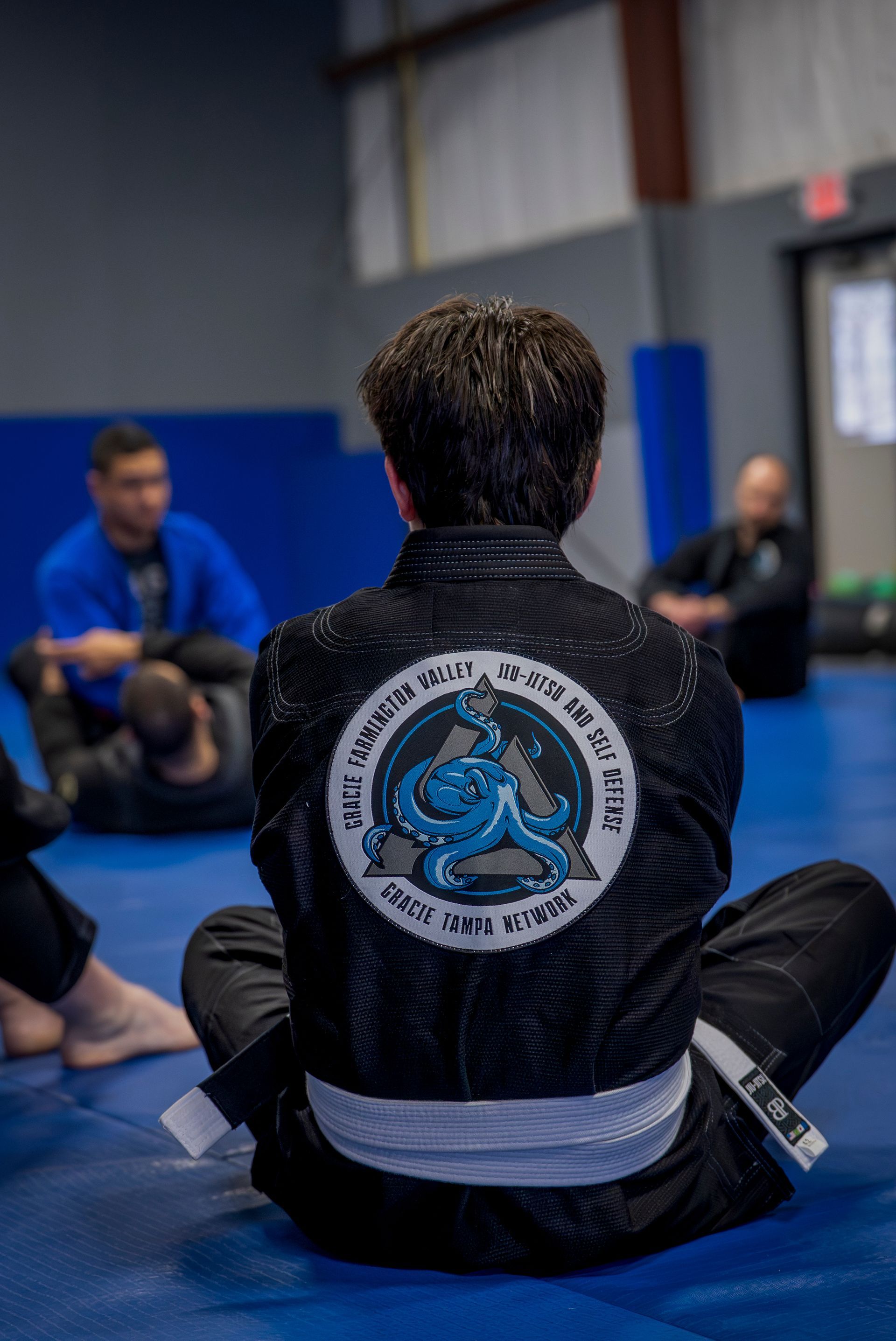
A typical first class usually includes a quick orientation, a warm-up that teaches foundational movement, and a clear technique lesson with step-by-step coaching. Drilling is cooperative at first, so you can focus on learning. If there is sparring, we keep it controlled and appropriate for your experience level. You can also take breaks. That is not a big dramatic moment; it is normal.
Expect to breathe harder than you think you “should” for a beginner class, especially if you are tense. That is okay. Most new students hold their breath and tighten up without realizing it. We coach you to relax, exhale, and use your skeleton and positioning instead of pure effort. That is where cardio improvement starts to feel real.
Common questions adults in Canton ask about getting started
Is Adult Jiu-Jitsu good cardio?
It can be. Classes combine continuous movement with short bursts of resistance and recovery, which can create a demanding cardiovascular workout. Intensity varies, and we help you scale it.
Can Jiu-Jitsu replace treadmill workouts?
For many people, it can be a motivating alternative for general conditioning. It is not identical to steady treadmill pacing, and some students still like adding walking, mobility, or strength training for balance.
Do I need to be in shape before starting?
No. You start where you are. We use drilling, controlled rounds, and coaching to build fitness progressively, not all at once.
How hard is rolling?
Rolling is adjustable. You can keep it technical and light, especially early on. Communication, partner selection, and supervision keep it productive.
Is Jiu-Jitsu dangerous?
Any contact activity has risk, but we reduce risk through warm-ups, controlled training, tapping early, respecting submissions, and matching partners appropriately. Listening to your body is part of training, too.
How often should a beginner train?
Many adults start with one or two classes per week and build from there as recovery improves. Your best schedule is the one you can sustain.
Take the Next Step
Building cardio without the treadmill is not about finding a magical hack. It is about finding a practice you can stick with, where the work feels meaningful and the progress is obvious. Adult Jiu-Jitsu gives you repeated chances to move, breathe, and build endurance while learning practical skills you can actually use.
When you are ready to try Adult Jiu-Jitsu in Canton, CT in a structured, beginner-friendly environment, we would love to show you how we run classes at
Gracie Farmington Valley and help you use training to support fitness, stress management, and real confidence.
Continue your Brazilian Jiu-Jitsu journey beyond this article by
joining a class at Gracie Farmington Valley.