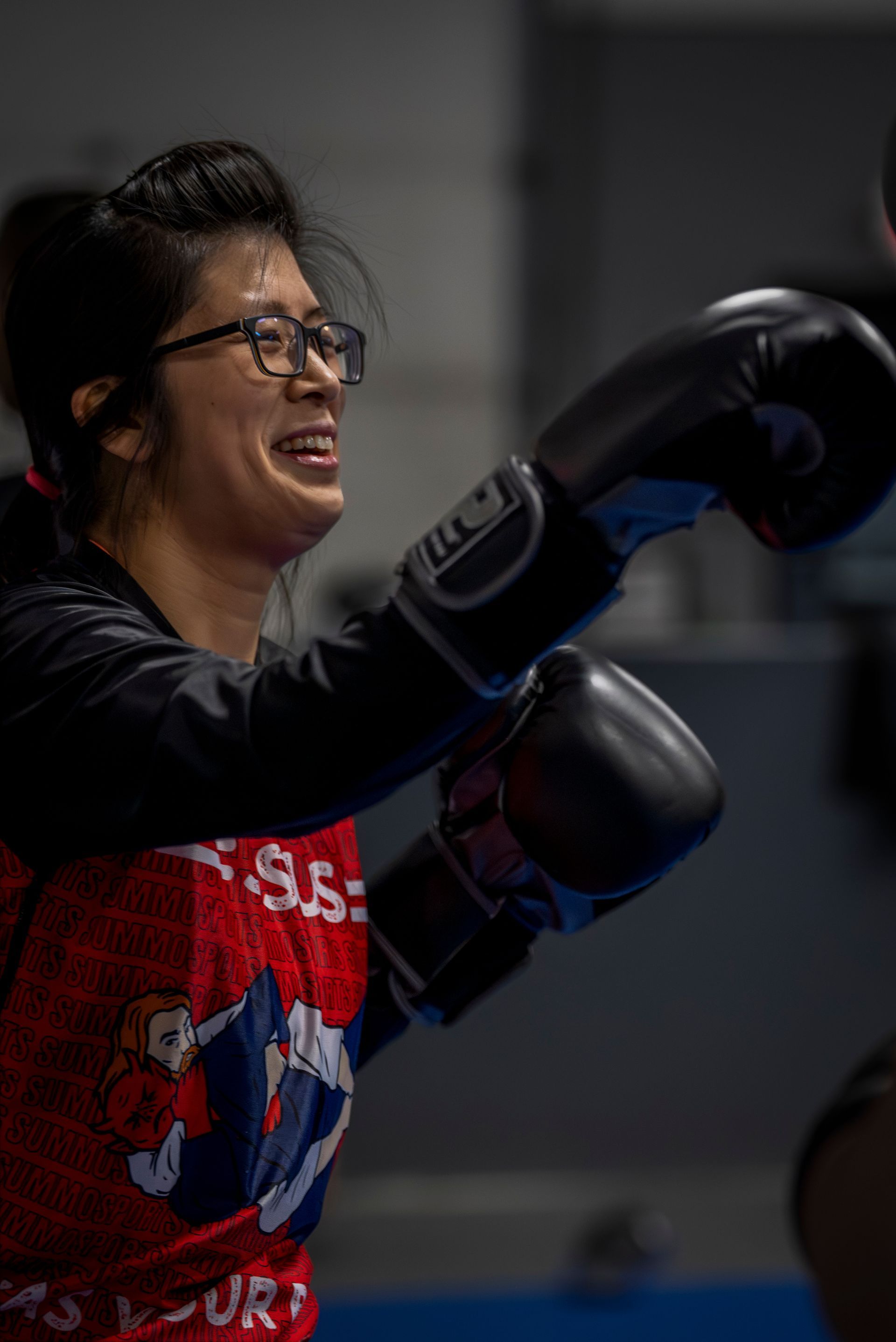
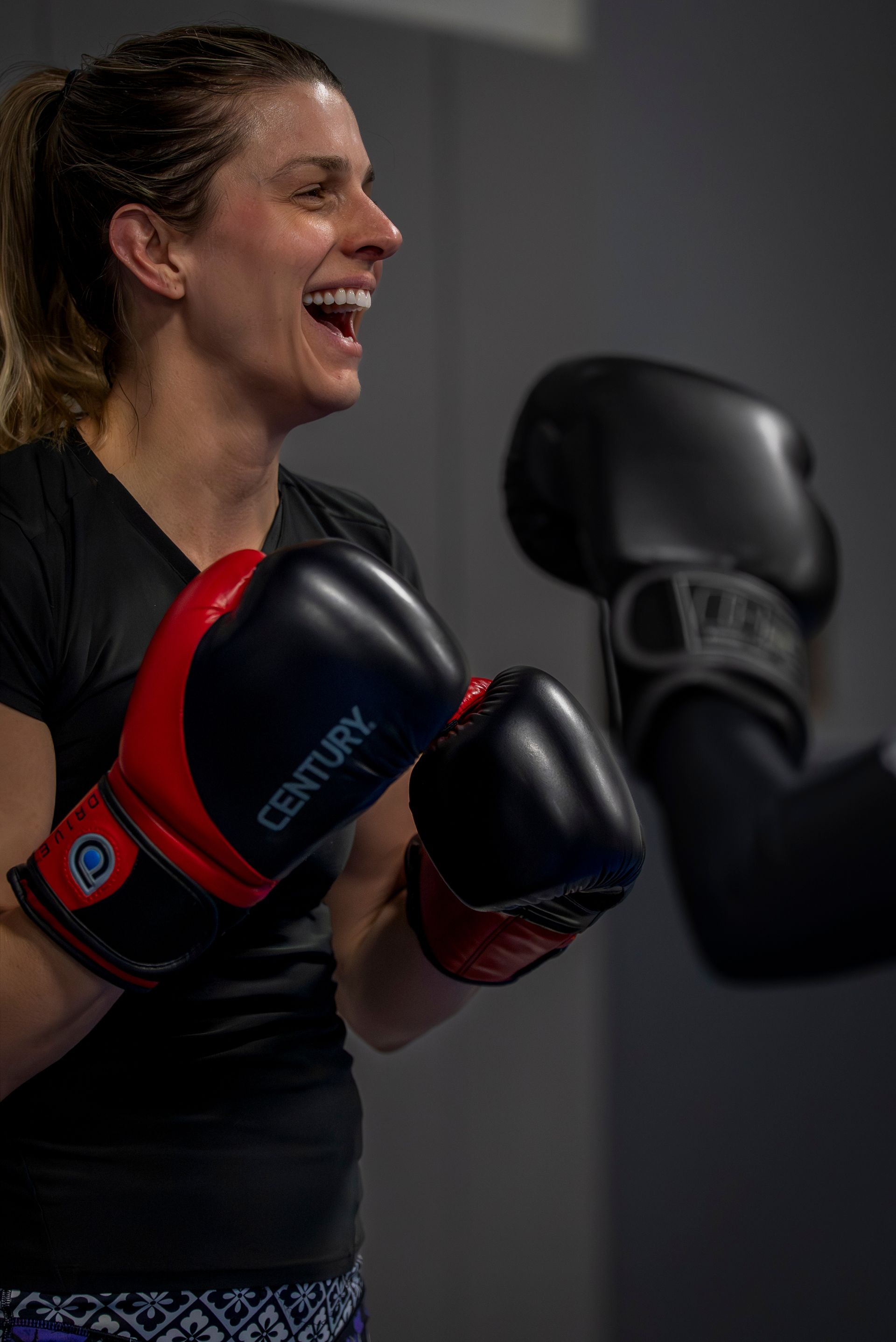
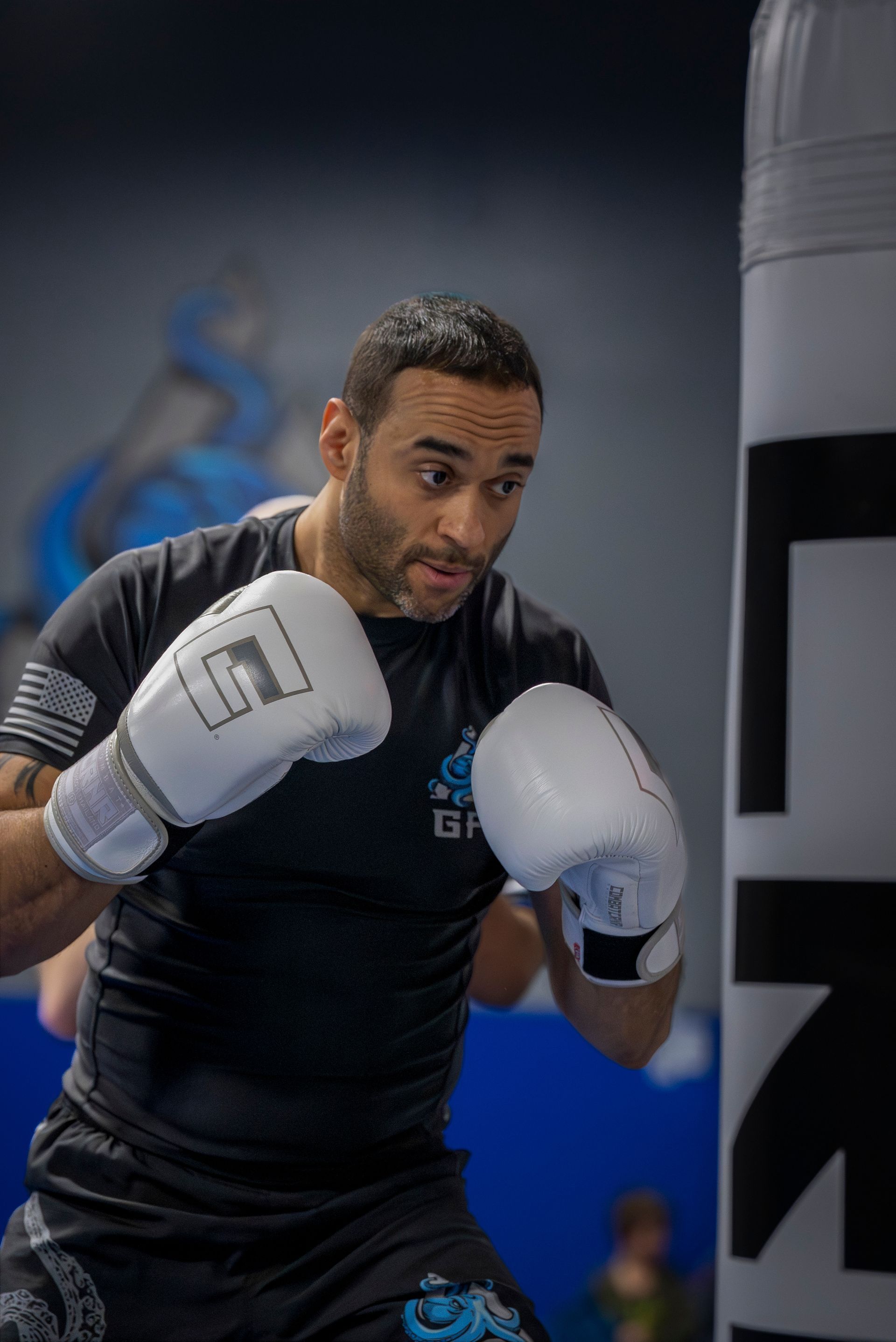
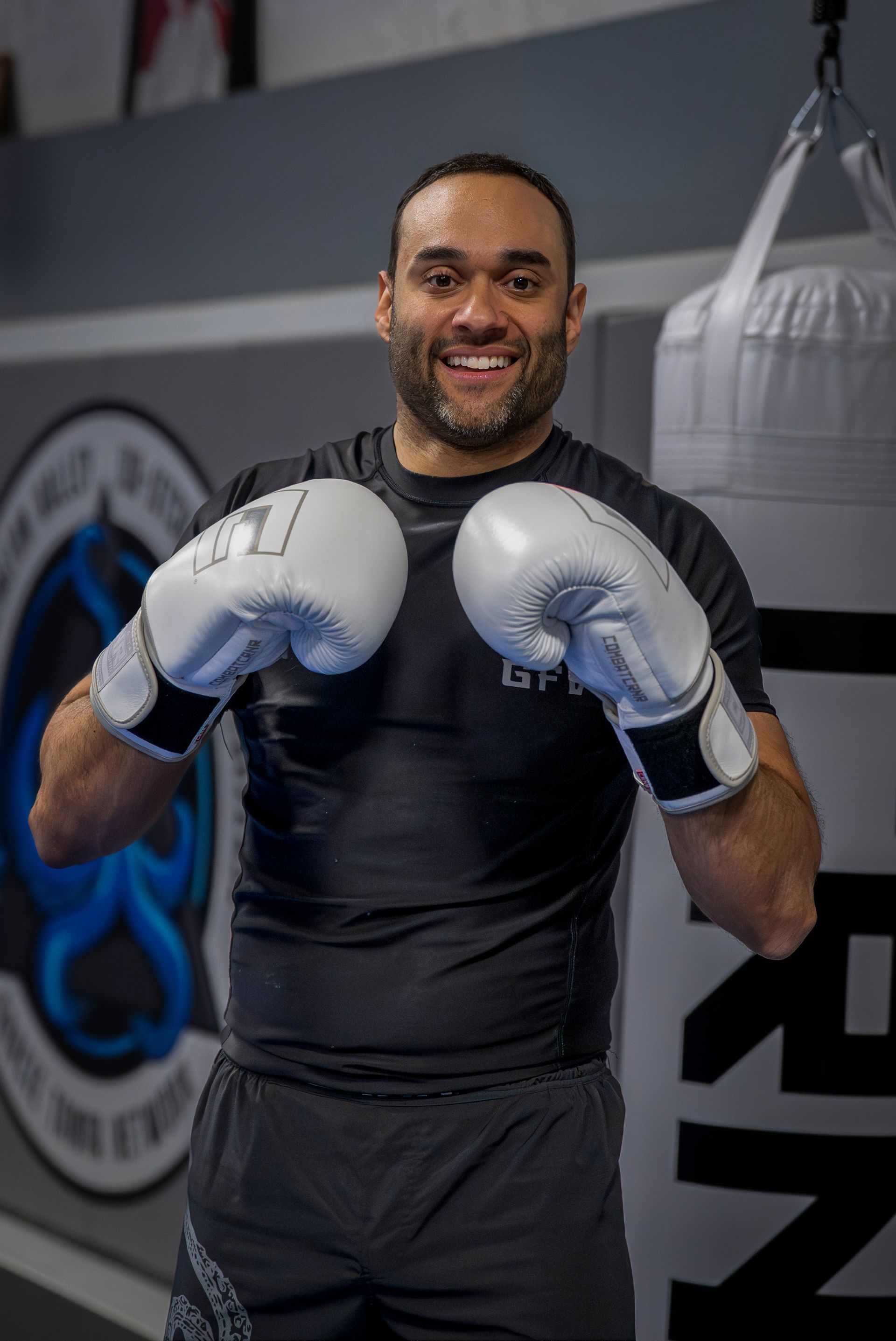
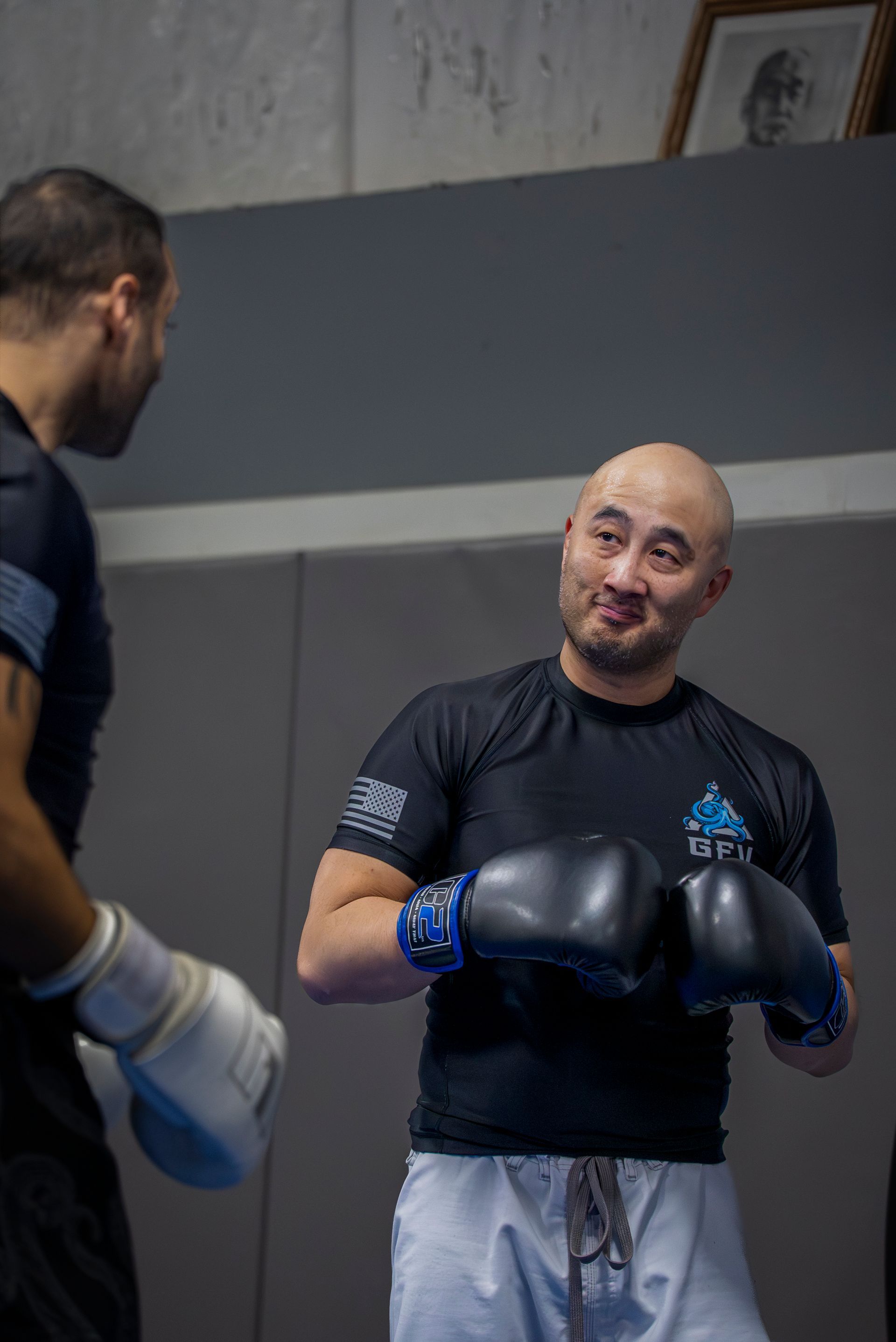
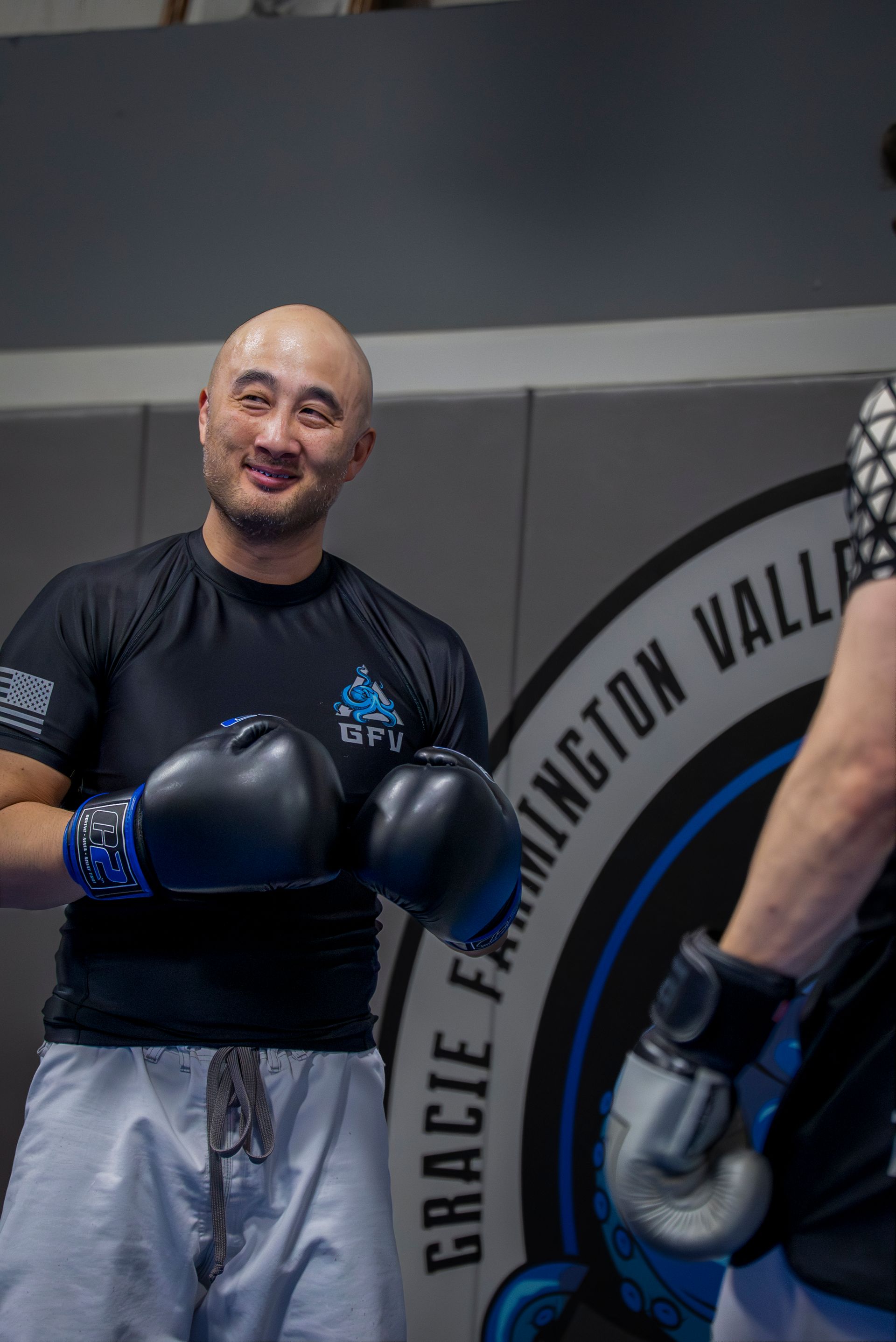
The fastest way past a plateau is a workout that makes you think, breathe hard, and adapt in real time.
If your workouts in Canton have started to feel repetitive, you are not alone. Many adults reach a point where the same weights, the same machines, and the same class formats stop producing noticeable changes. You might still sweat, but the scale, energy levels, and strength gains stall out.
That is exactly why Adult Jiu-Jitsu works so well as a plateau breaker. It is not just exercise you repeat, it is a skill you build. Every round forces your whole body to work while your brain stays switched on, so your training stays fresh week after week.
In our Adult Jiu-Jitsu in Canton, CT program, we see something simple happen all the time: adults who felt stuck suddenly start moving better, breathing better, and feeling strong again, without needing to chase bigger numbers in the gym.
Why plateaus happen in the first place
A plateau is not a failure of effort. It is often your body being efficient. When you repeat the same workout pattern long enough, your nervous system and muscles learn how to do it with less stress, which means fewer new adaptations.
A few common plateau triggers we hear about:
- Your workouts are predictable, so intensity drifts down even if you show up consistently
- You are strong in certain patterns but limited in others, like hips, grip, or rotation
- Cardio becomes “steady,” but not truly challenged with changing bursts and tension
- Motivation drops because the training feels like chores instead of progress
Adult Jiu-Jitsu changes that equation because the stimulus changes. Even when the class structure is consistent, every partner interaction is different. That variety is not random, it is exactly what keeps you progressing.
The metabolic demand of “rolling” is hard to replicate
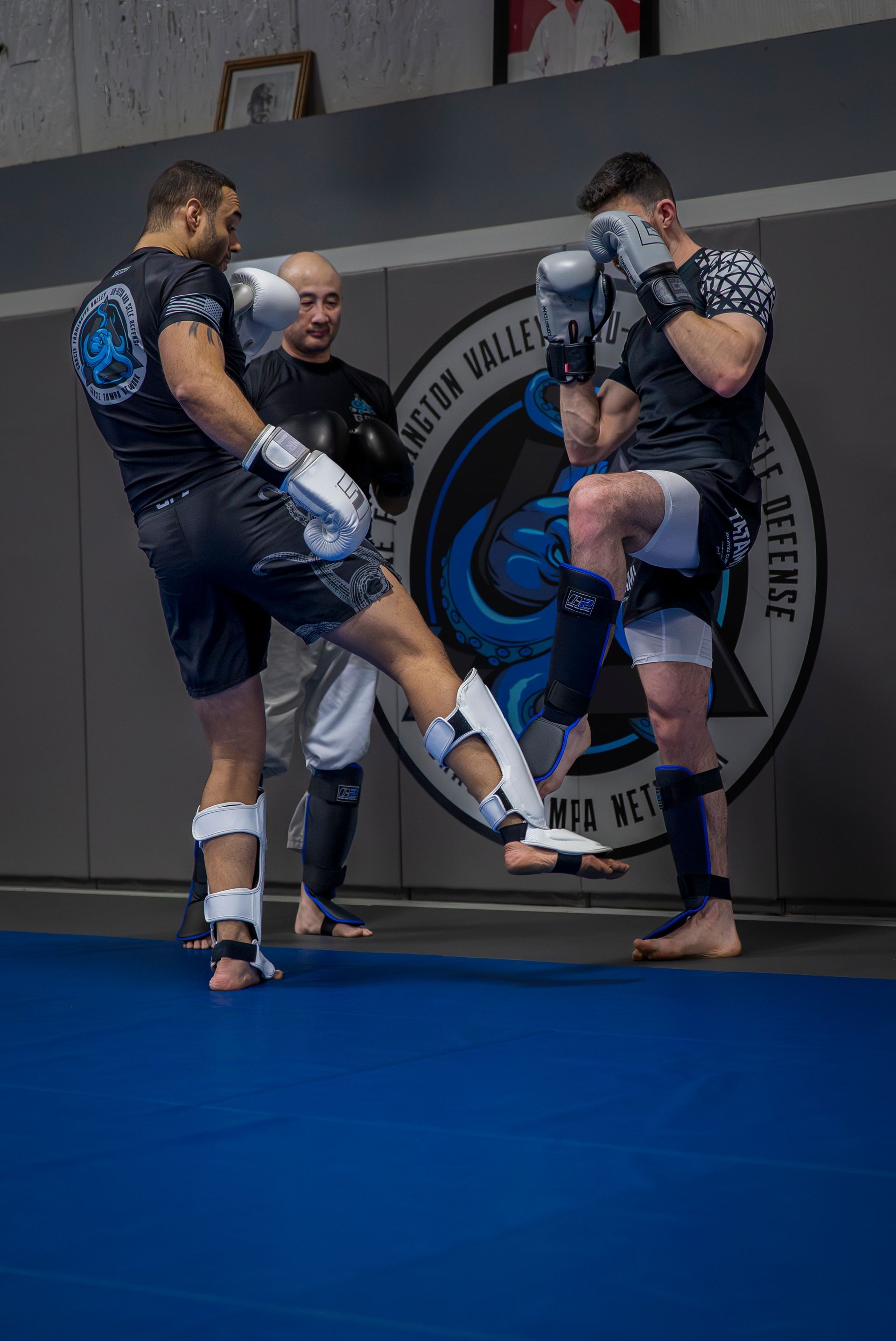
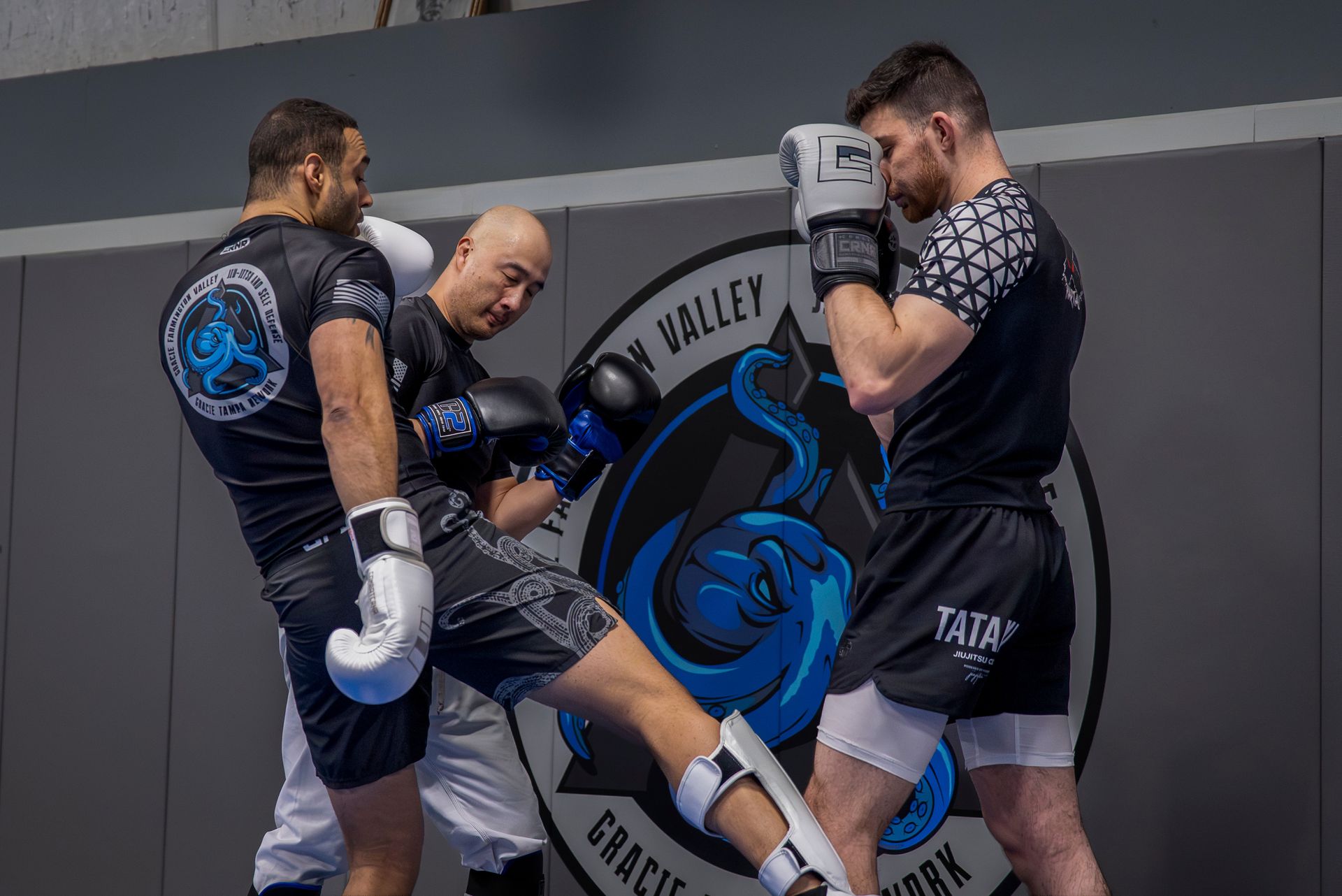
In Adult Jiu-Jitsu, controlled sparring is often called rolling. Rolling is where your conditioning takes off because it blends explosive moments with sustained tension. You might scramble for position, then hold pressure, then defend, then explode again. Your heart rate can climb into the 140 to 180 range during hard rounds, and it happens without any stationary equipment.
Many practitioners burn roughly 500 to 1,000 calories per hour depending on intensity. More important than the number is why it happens: grappling forces constant full-body output. Even when you are “just holding,” your core, legs, and upper body are engaged.
If you have been stuck doing the same cardio format, Jiu-Jitsu in Canton, CT can feel like your body suddenly remembers how to work athletically again. You will breathe hard, but you will also learn how to breathe with purpose, which is a different kind of fitness.
Functional strength: the kind you notice in daily life
Traditional training often isolates muscles. Jiu-Jitsu connects them. In Adult Jiu-Jitsu you develop strength through leverage, posture, and pressure, which means:
- Core stability that is tested while twisting, framing, bridging, and resisting
- Grip endurance from controlling sleeves, collars, wrists, or overhooks
- Hip strength and mobility from guard work, standing entries, and positional escapes
- Shoulder and upper back strength from pulling, posting, and stabilizing
What makes this useful is that it is dynamic. You are not just lifting something up and down. You are producing force at odd angles while balancing another human being. That is the plateau breaker: your body has to coordinate strength, not just display it.
Your brain prevents autopilot workouts
One reason plateaus stick around is that your mind checks out. You can do your usual sets while thinking about dinner, emails, or the meeting you forgot to schedule. That is normal, but it also means your nervous system is not being challenged.
Adult Jiu-Jitsu keeps your attention because each position is a problem to solve. You are constantly making decisions:
- Where is the pressure coming from?
- What do you protect first?
- Is it time to escape, sweep, or stabilize?
- Are your frames in the right place?
- Can you improve position safely before chasing a submission?
That neurological engagement is a training effect. The more you practice, the more efficient your movement becomes, and that efficiency shows up as confidence, calmer breathing, and sharper reactions. In 2025, more adults are viewing Jiu-Jitsu as a long-term health strategy because it trains mind and body together, not separately.
Progressive overload without chasing heavier weights
Progressive overload is real in Adult Jiu-Jitsu, but it looks different than adding plates to a barbell. You progress by improving technique, timing, and decision-making, and that lets you safely increase intensity over time.
Here is what progression often looks like in our classes:
1. You learn a movement pattern slowly, with control and clear details
2. You drill it with a partner to build confidence and coordination
3. You practice it in a limited situation, like starting from a specific position
4. You apply it during rolling, where timing and fatigue change everything
5. You refine it again, because you always notice something new afterward
That cycle means your training stays challenging, even after months and years. You are never “done,” but it also never has to be reckless. The goal is sustainable improvement.
2025 Adult Jiu-Jitsu trends that keep training fresh and athletic
Modern Adult Jiu-Jitsu is more dynamic than many people expect, and that is good news for breaking plateaus. The overall direction of training is toward movement, standing skills, and complete grappling.
More standing exchanges and takedowns
Many classes now spend more time on takedown entries, grip fighting, and learning to stay balanced on your feet. That adds a strong cardio component and builds leg and hip strength in a way most adults are missing.
Leg lock integration and positional awareness
Advanced submissions like leg locks are more common in recreational training than they used to be. That does not mean chaos. It means adults learn better body awareness, safer leg positioning, and more varied problem-solving.
Cross-training and Jiu-Jitsu specific conditioning
A growing number of adults want conditioning that matches the sport. That can include grip circuits, hip mobility work, and interval pacing that mirrors rolling rounds. When conditioning matches what you actually do, plateaus disappear faster.
Technology and wearable feedback
More adults track recovery, sleep, and heart rate using wearables. That helps you notice patterns, like why you gas out on round three, or why you feel heavy after a poor night of sleep. It is not about perfection, it is about having clues to adjust.
A lifetime fitness mindset
The biggest shift is that more adults want training they can do for years. Jiu-Jitsu fits that when the focus is on technique, control, and smart intensity. You do not need to “win the room” to get great fitness.
What a typical Adult Jiu-Jitsu class feels like
If you have not trained before, it helps to know what you are walking into. Most adults are surprised by how structured the learning is. Yes, you will work hard, but you will also get coached through the details so you are not guessing.
A class commonly includes:
- Warm-ups that build movement skill, not just fatigue
- Technique instruction with clear steps and safety points
- Partner drilling to build repetition and comfort
- Positional training that limits variables so you can improve faster
- Optional rolling rounds based on experience level and goals
It is normal to feel a little awkward at first. Grappling is a new language. But that awkward stage is also where the plateau breaks, because your body is learning brand-new movement patterns.
Safety and accessibility for real adults with real schedules
A common misconception is that Adult Jiu-Jitsu is only for people who are already fit. In reality, a well-structured program is designed to bring beginners along safely. We emphasize control, good tapping habits, and choosing training intensity that matches your current fitness.
If you have an old shoulder issue, tight hips, or a history of “I went too hard and regretted it,” you are exactly the kind of adult who benefits from technique-first training. We would rather see you train consistently at 70 percent than go to 100 percent twice and disappear for a month.
And because Canton adults are busy, consistency matters. Most people break a plateau with 2 to 3 classes per week. That frequency is enough to create a metabolic and skill stimulus, while still leaving room for recovery, family, and work.
Quick checklist: signs Adult Jiu-Jitsu is the plateau breaker you need
If any of these sound familiar, Adult Jiu-Jitsu is worth trying:
- You want fat loss and conditioning without doing endless treadmill sessions
- You miss athletic movement and full-body coordination
- You feel mentally bored in the gym, even when you are disciplined
- You want strength that shows up in real positions and real resistance
- You want a community where progress is measured by skill, not ego
That last point matters more than people expect. When your training partners care about learning, you keep coming back, and consistency is what breaks plateaus long term.
Ready to Transform Your Fitness in Canton, CT
Breaking a plateau takes a training method that stays challenging without beating you up, and that is what we build every day at
Gracie Jiu-Jitsu Farmington Valley. Adult Jiu-Jitsu gives you a rare combination: high metabolic output, functional strength, and constant problem-solving, all inside a structured class environment.
If you are ready to feel your fitness move forward again, we would love to help you start with a plan that fits your current level and your schedule at Gracie Jiu-Jitsu Farmington Valley, right here near Canton.
Challenge yourself physically and mentally through
consistent training at Gracie Jiu-Jitsu Farmington Valley.